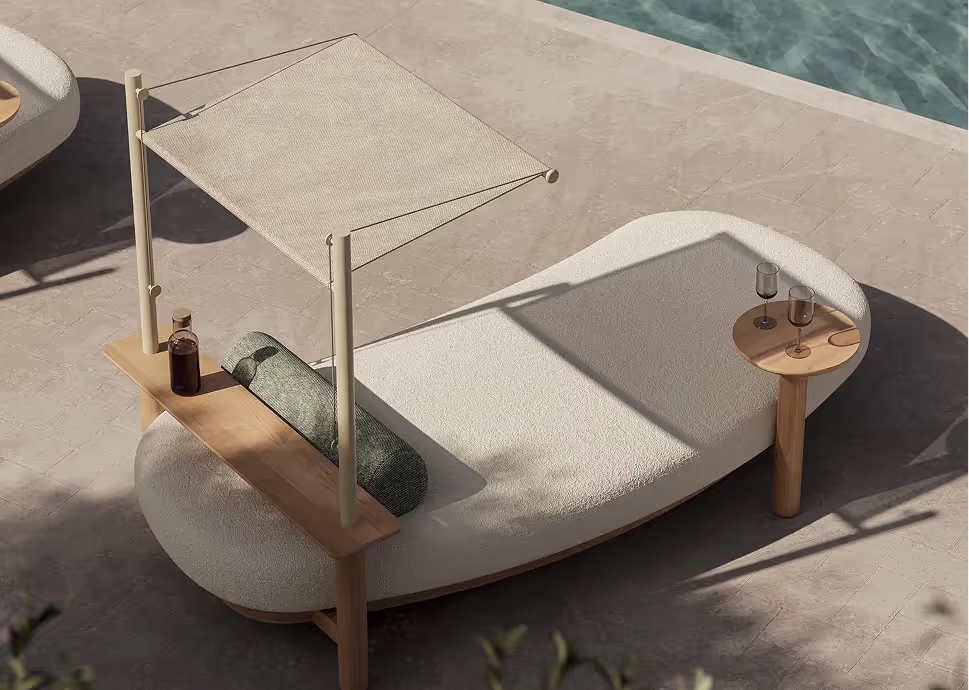
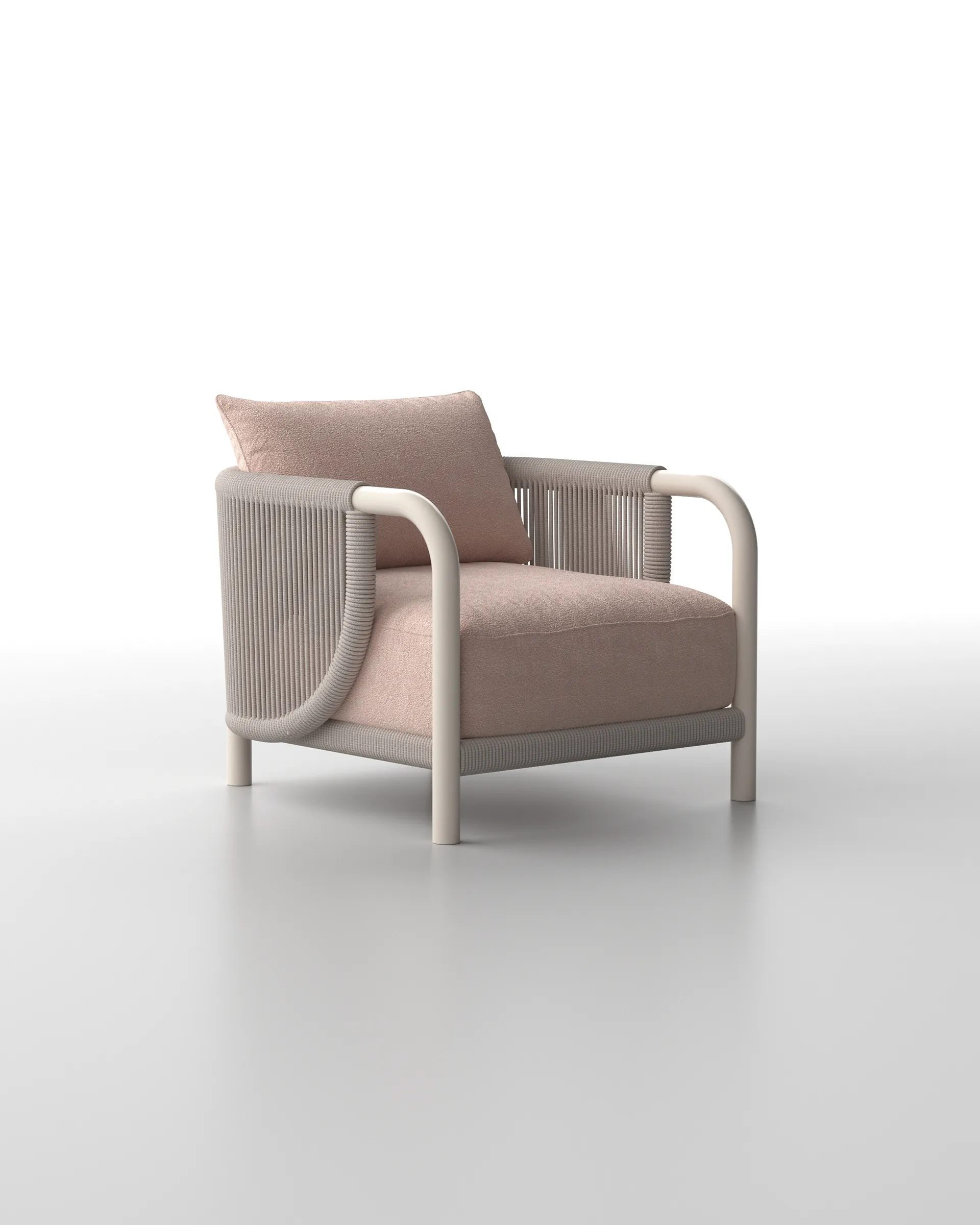
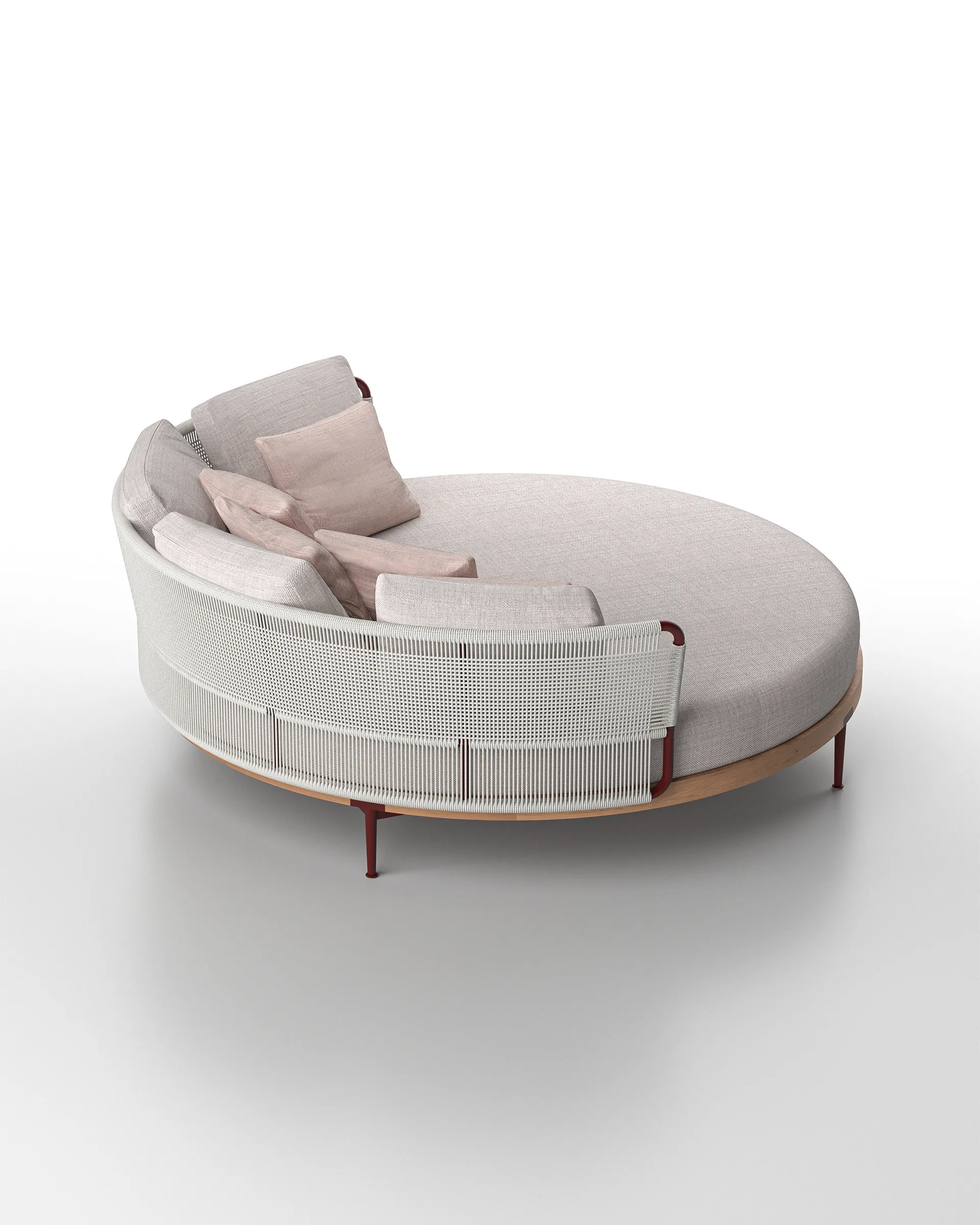
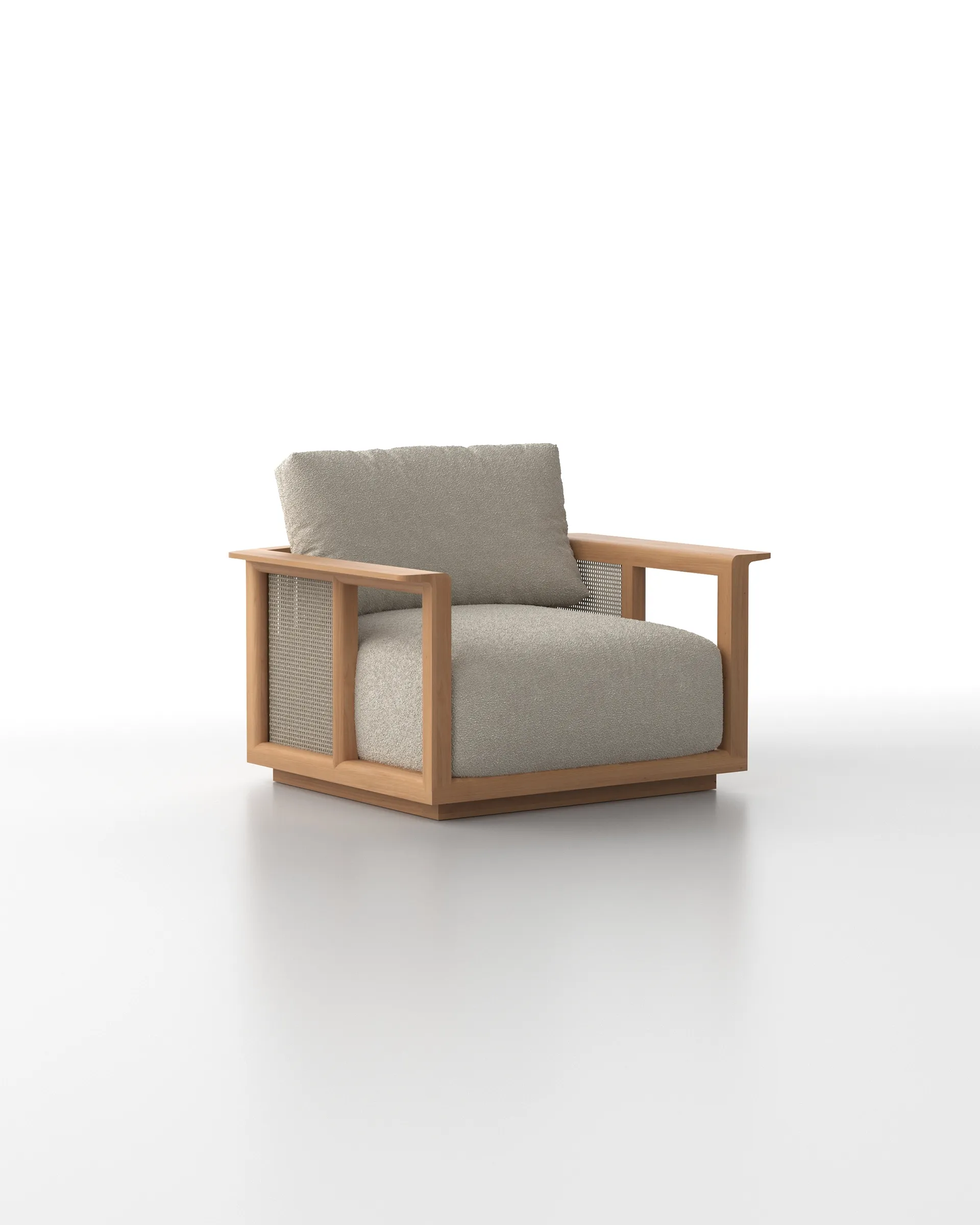
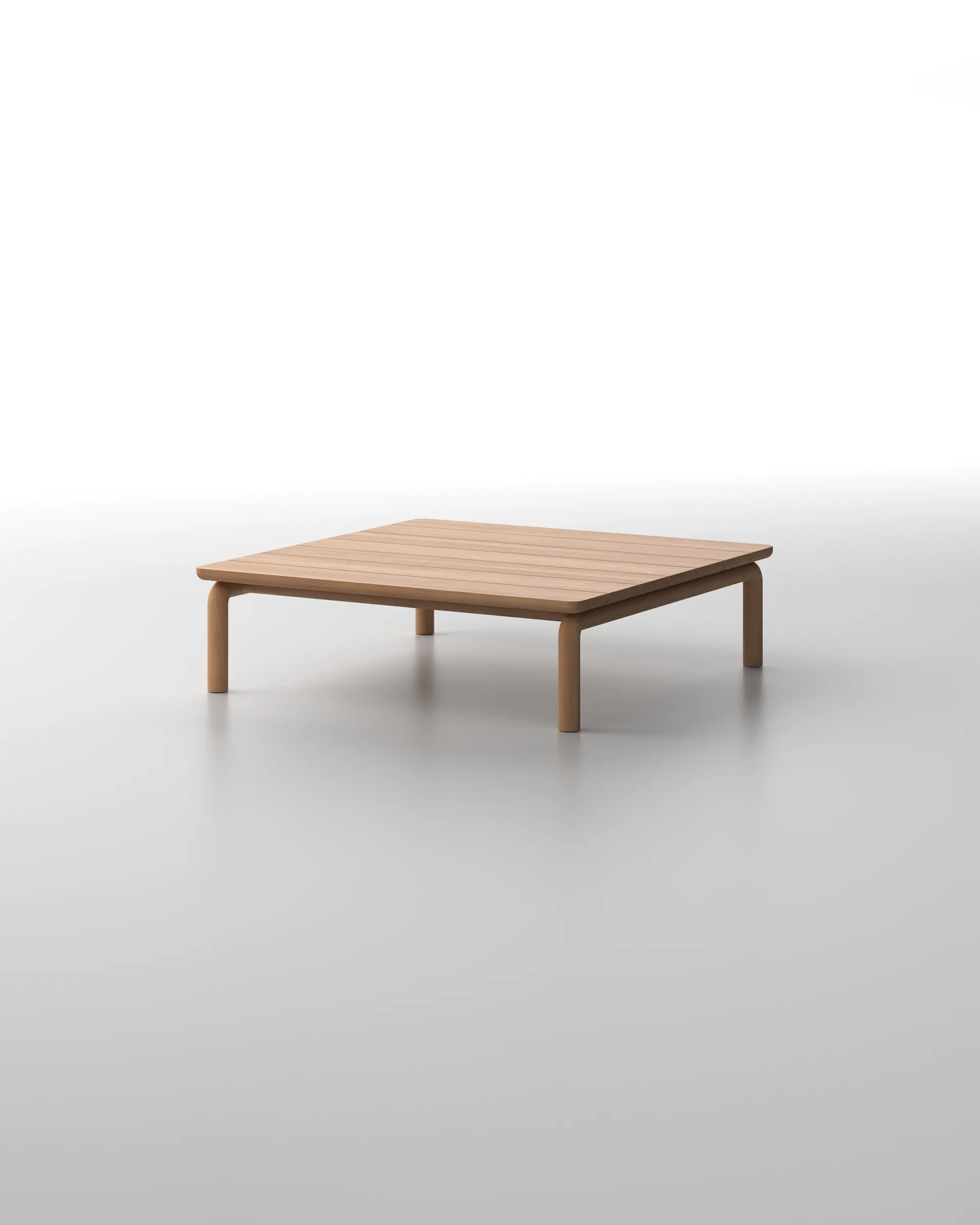
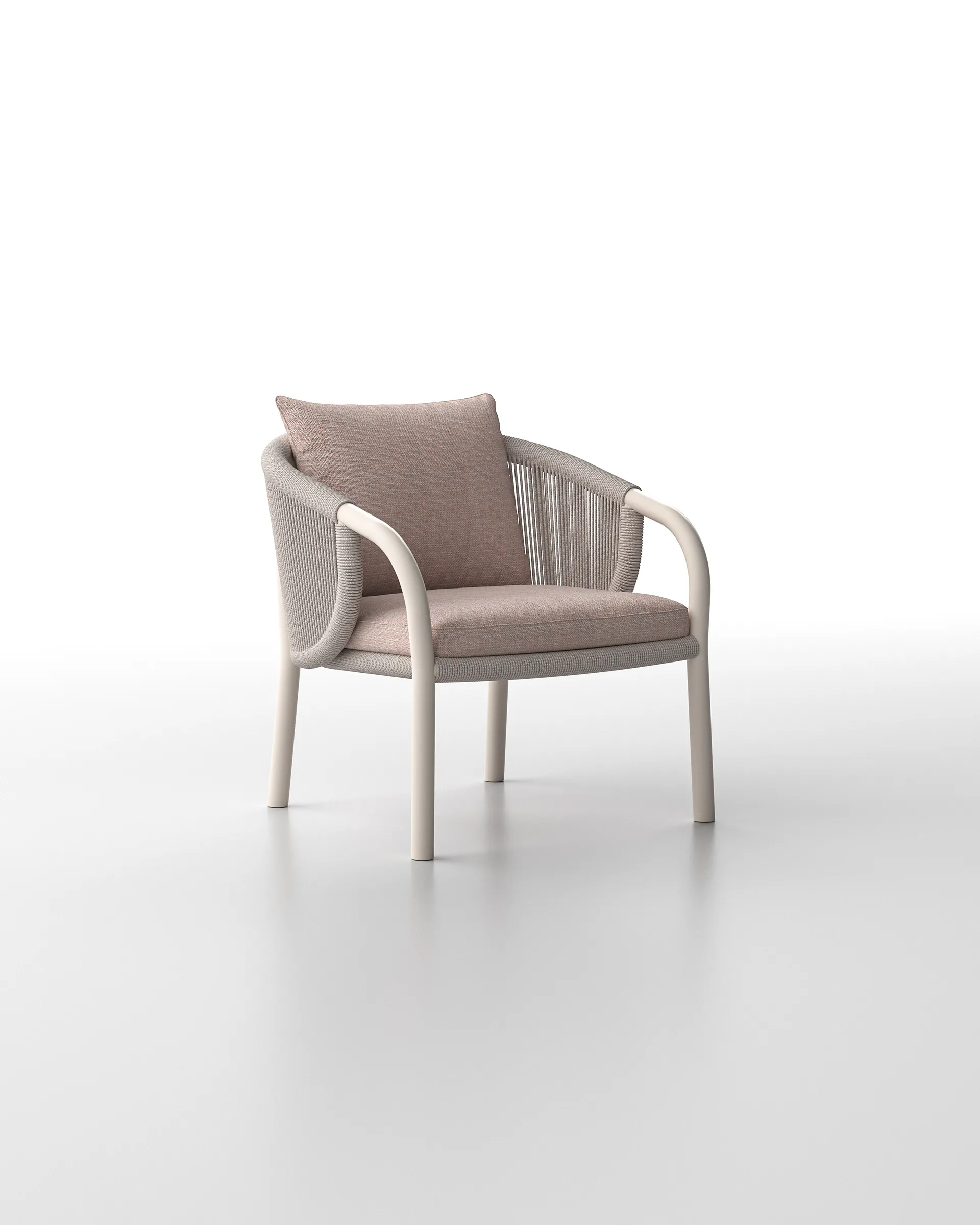
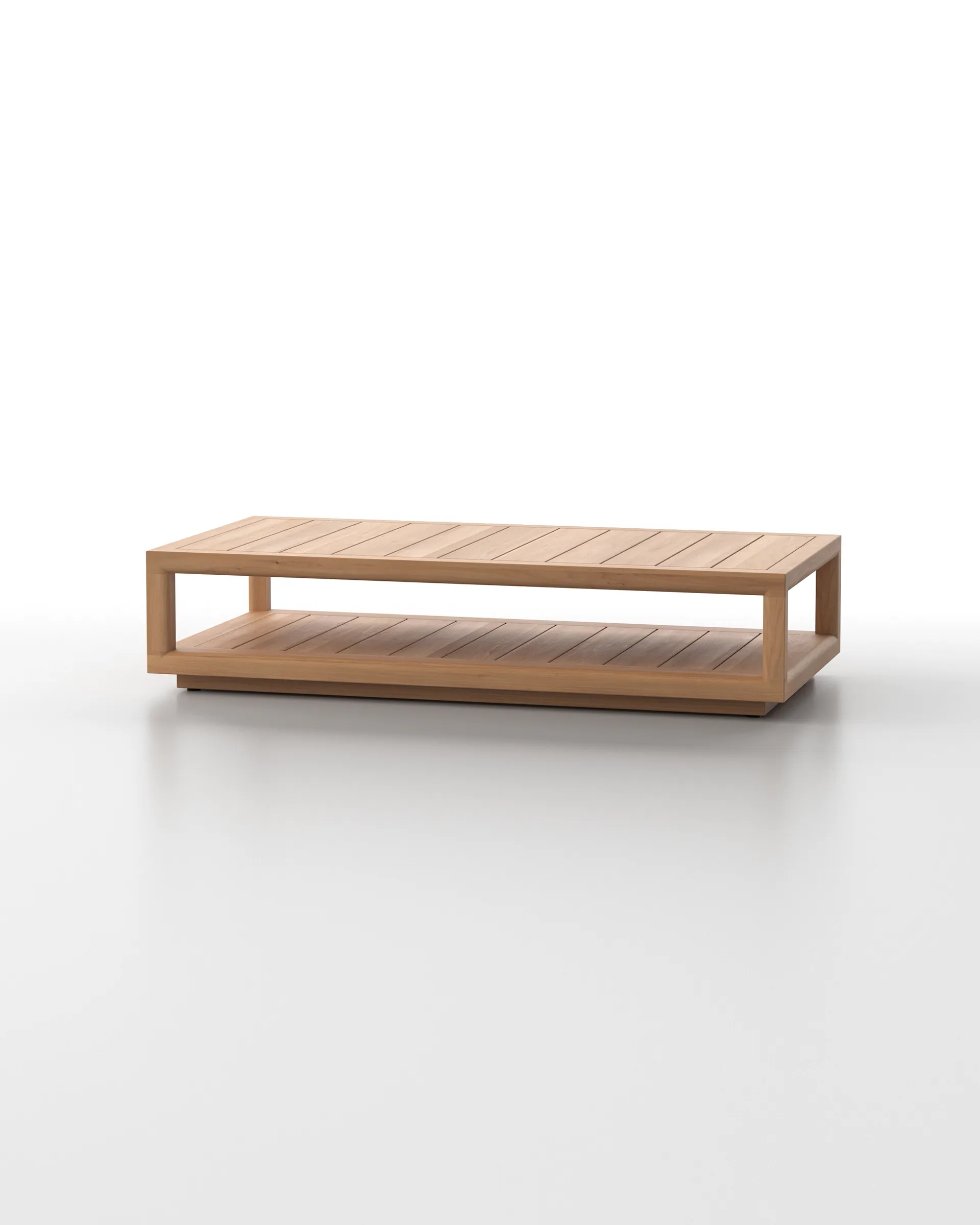
Much of the world’s finest teak wood furniture comes from Indonesia, and most of it from Java. The island has grown teak on managed plantations for well over a century.
But the timber is only half the story. Two chairs cut from the same log can age very differently, depending on how the workshop dried, joined and finished them. This guide covers where Indonesian teak comes from, how it becomes furniture, and what to check before you choose a manufacturer.
Why Indonesia for Teak Wood Furniture
Teak has grown in Java for centuries, and some of the island’s first plantations are believed to date back to the 13th century, planted to supply shipbuilders. Today Perum Perhutani, the state forestry company, is Indonesia’s largest manager of teak plantations and harvests on planned cycles. That gives a steady supply of mature wood without drawing on natural forest.
Teak grown in this tropical climate is rich in natural oils. Those oils help the wood resist moisture and decay, which is why teak has a long history in shipbuilding, and why teak wood furniture from Indonesia suits outdoor use so well.
Java also has a deep woodworking culture. Towns such as Jepara have made wood furniture from Indonesia’s forests for generations, and that skill supports workshops across the island.
Workshops decide the quality of teak wood furniture from Indonesia long before the last coat of finish. Otazen has made teak furniture in Java since 1999. Over those years, one lesson has held: every well-made piece passes through the same four stages, and each one shapes how it will age.
Timber selection
A teak log holds two kinds of wood. The heartwood at the centre is dense, golden brown and full of natural oil. The sapwood near the bark is paler, softer and far less durable outdoors.
Makers should cut outdoor furniture from heartwood. Grade describes how much heartwood a board contains and how even its grain and colour are. Higher grades cost more because fewer boards from each log qualify.
Kiln drying
Freshly sawn teak holds a lot of water. If a workshop builds with it too soon, the wood keeps drying in place: joints loosen, panels split and tabletops warp.
Controlled kiln drying brings moisture down to a stable level before any cutting begins. The finished piece then holds its shape, whether it ends up on a humid terrace in Bali or a dry rooftop in Sydney.
Joinery
Outdoor furniture takes daily wear: people move it, sit on it and leave it out in the rain. Durable pieces rely on traditional joints such as mortise and tenon, where one part fits precisely into a slot cut in another, often reinforced with dowels.
Screws and glue alone tend to work loose as wood expands and contracts. Well-cut joinery lets teak move with the seasons without coming apart.
Finishing and quality control
Craftsmen sand each piece by hand before finishing. Teak needs no paint to last outdoors. You can leave it natural to weather to a soft silver grey, or treat it to keep its warm honey tone. See how teak colour changes over time.
Before packing, our team checks every piece for stability, joint strength, surface finish and dimensions, then packs it for a long sea journey.
How to Choose a Teak Wood Furniture Manufacturer in Indonesia
Indonesia’s furniture sector is vast. In Jepara alone, a CIFOR study counted nearly 12,000 furniture enterprises, from family workshops to established exporters, and quality varies widely. Before you place an order with an Indonesia furniture manufacturer, check six things. If you are judging individual pieces rather than a supplier, our tips for choosing teak outdoor furniture cover that side.
Its own workshop. Some sellers are traders who buy from several subcontractors. A manufacturer that runs its own production can keep quality consistent from one order to the next.
Legal timber. Ask for a V-Legal Document for every shipment and, where relevant, FSC certification. Check that the details match your order.
Samples or prototypes. A reliable manufacturer will build a sample before full production, especially for custom work.
Clear lead times. Agree on production and shipping schedules in writing before you confirm.
Quality control and export packing. Ask how the workshop inspects each piece and packs it for weeks at sea.
A track record. References from hotels, resorts and established brands show the workshop can deliver at scale.
Two Ways to Source Teak Wood Furniture from Indonesia
Once you know what to look for, most buyers source teak wood furniture from Indonesia in one of two ways.
Choose from a design-led collection
If you need finished pieces with proven designs, a collection is the most direct route. Otazen was founded in Barcelona and makes its collections in Java, working with more than 15 designers from around the world.
The range covers teak garden furniture from Indonesia for terraces, pool decks and gardens, from dining sets to loungers. The same pieces furnish hospitality projects such as Four Seasons Resort and Residences AMAALA at Triple Bay. For coastal or rooftop sites, see our guide to heavy teak furniture for windy outdoor spaces.
Hotels, resorts, villas and design studios often need furniture made for a specific space or concept. Here the work starts from drawings or a design brief and can extend to a complete interior or exterior fitout.
Whichever route you choose, Otazen builds its teak wood furniture from Indonesia in the same Java workshop, to the same standards.
Frequently Asked Questions
Is teak wood furniture from Indonesia good quality?
Yes, provided it is cut from plantation-grown heartwood and properly kiln-dried. Most quality problems come from the workshop rather than the wood, so ask about grade, drying and joinery before you buy.
Can I order custom teak wood furniture from Indonesia?
Yes. Many makers of teak wood furniture in Indonesia build custom pieces from drawings or a design brief, from a single dining table to a full resort fitout. Otazen builds custom pieces and fitouts for hospitality and residential projects.
Sourcing teak wood furniture from Indonesia for a collection or a project?
Tell us what you need, and our team will get back to you with options and timelines.