If you ask which is more durable, solid wood or veneer, almost everyone already knows the answer is solid wood. In reality, though, choosing furniture usually takes more than deciding which material simply lasts the longest. People also weigh the budget they’re willing to spend, where the piece will sit, how often it’ll be used, and plenty more besides. In the end, solid wood vs veneer was never really a contest of durability alone.
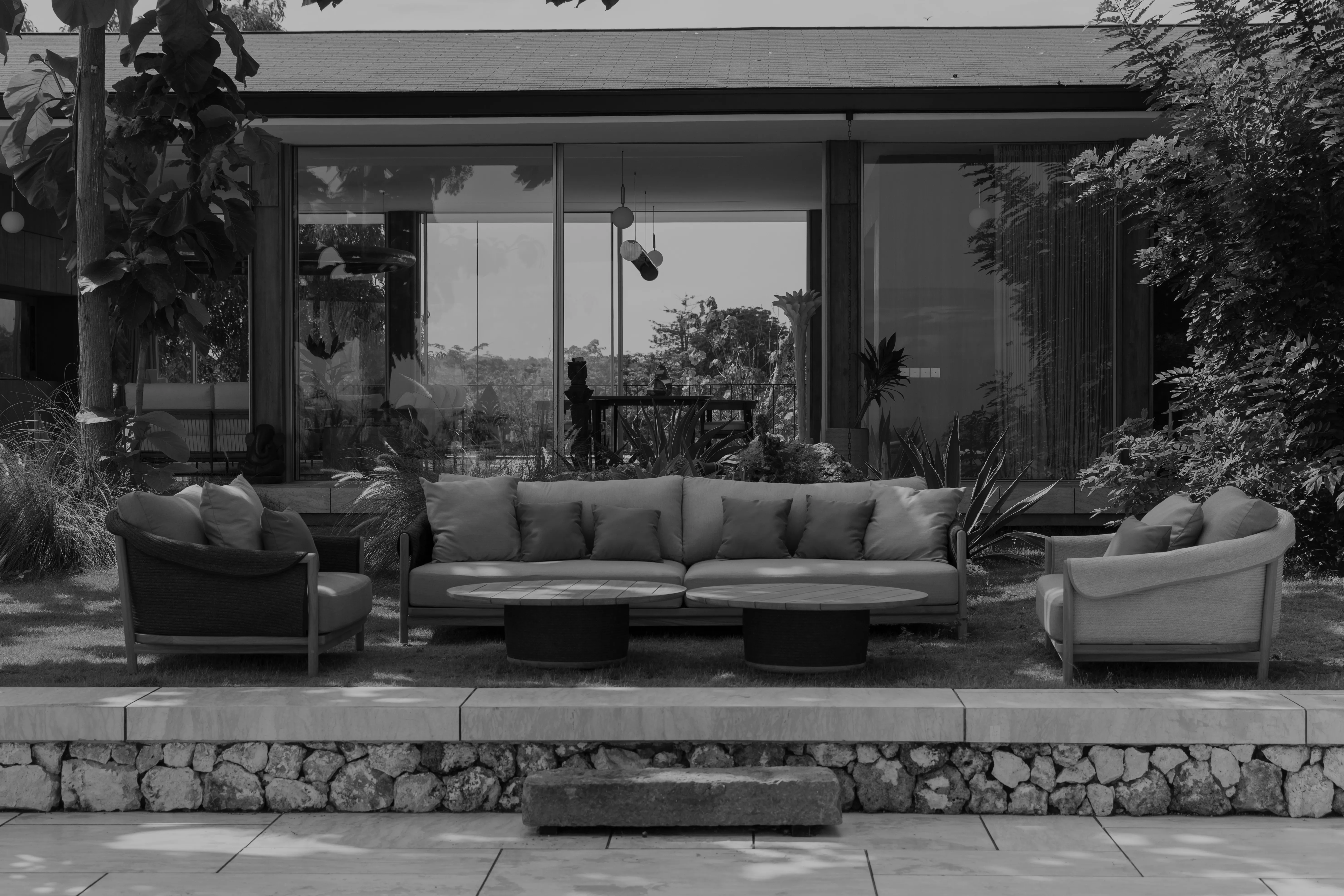
A veneer sideboard in an indoor living room and a solid teak table on an open terrace tell two completely different stories. One isn’t a compromise for the other. Each is built for a different kind of life.
We make solid teak wood furniture, and for years we’ve produced a wide range of pieces in our own manufacturing workshop. That experience is what lets us help you match the right material to your needs, from an honest and objective point of view.
Solid Wood vs Veneer: What Each One Actually Is
Solid Wood
Just as the name suggests, the furniture is made from real, whole timber — from the outside all the way through. Because it’s built from solid wood, it reacts to humidity, expanding and contracting through the seasons. That’s why solid wood must be dried properly before it becomes furniture. Essentially, freshly cut timber holds a great deal of water, and if that water leaves after the piece has become furniture, the wood shrinks, warps, or cracks. Kiln-drying brings the wood’s moisture down to a stable level — around 8–12% — so most of that shrinkage is already done before the timber ever reaches you.
The main advantage of solid wood furniture is that it’s both durable and repairable. A scratched or dull surface can be sanded back and refinished, again and again, over decades.
Veneer
Veneer is a thin sheet, peeled from timber — often less than a few millimetres thick — and applied over another material to give it a better appearance and the look of a natural wood finish. What sits beneath the veneer is usually an engineered core, such as plywood, MDF, or particleboard. Plywood, made from thin layers of wood cross-glued together, is the strongest and holds screws best. MDF has a smooth surface and takes paint well, but swells if it meets water. Particleboard is the cheapest and the quickest to fail. So if a product simply says “engineered wood” without naming the board, it’s worth asking which one.
For a closer look at what makes teak so durable — read our guide to teak wood for furniture.
When Each One Is the Right Call
The choice really comes down to four things: what you’ll use the piece for, where it will live, how hard it will be used, and how long you want it to last. Here’s how solid teak and veneer compare across each:
Solid Teak
Veneer
Best for
Anchor pieces, structural furniture
Decorative & light-use pieces
Where it works
Indoor & outdoor
Indoor only
Use level
Heavy, daily, commercial
Light, occasional
Durability
Highest — weathers, doesn’t break down
Good indoors; fails if the core meets moisture
Repairable
Yes — sand back & refinish for decades
Limited — thin layer can’t be refinished
Lifespan
Decades; can be passed on
Suits a 5-year horizon or frequent moves
Upfront price
Higher
More affordable
What’s inside
Real teak throughout
Real wood surface over an engineered core
Neither column is the “wrong” choice on its own — each simply has conditions where it makes the most sense.
When veneer is the right call?
Veneer suits pieces that don’t have to fight the elements. For indoor, light-use furniture — a bedroom cabinet, a display shelf, a decorative piece — quality veneer gives the look of real wood at a more affordable price. On wide, flat surfaces like tall wardrobe panels or large cabinet doors, a stable engineered core can actually resist warping better than a single slab of solid wood — so veneer isn’t simply a lesser option, but a different one. And if you’re working to a budget, or you value flexibility because you rent or expect to restyle within a few years, veneer lets you furnish your home well without overpaying for durability you’ll never use. The one thing to insist on is transparency: good veneer over a plywood core is a sound purchase — the problem is only ever veneer sold as though it were something else.
When is a solid teak worth it?
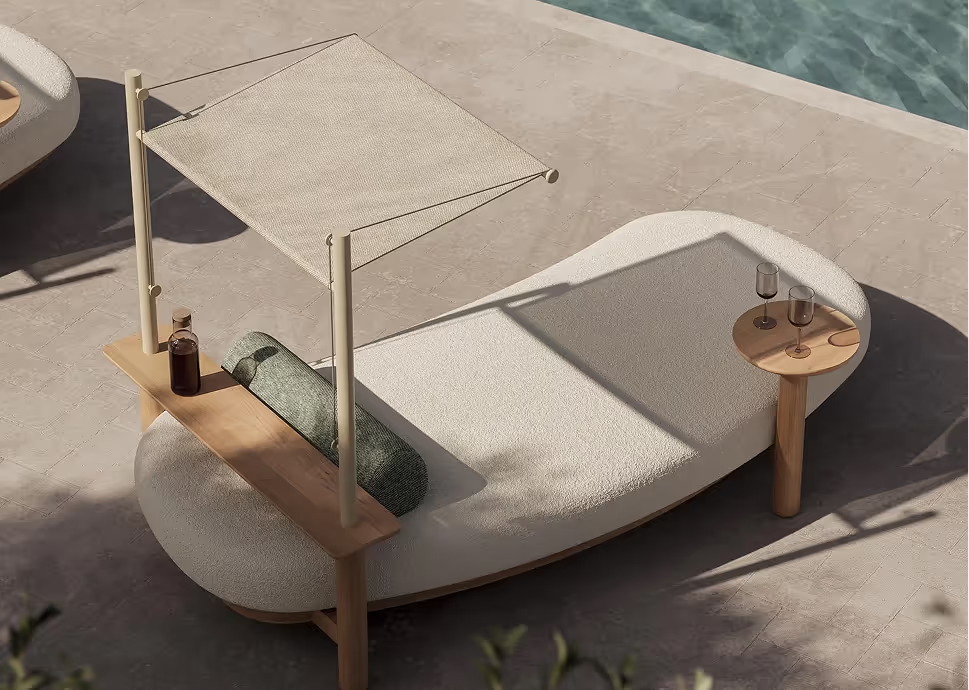
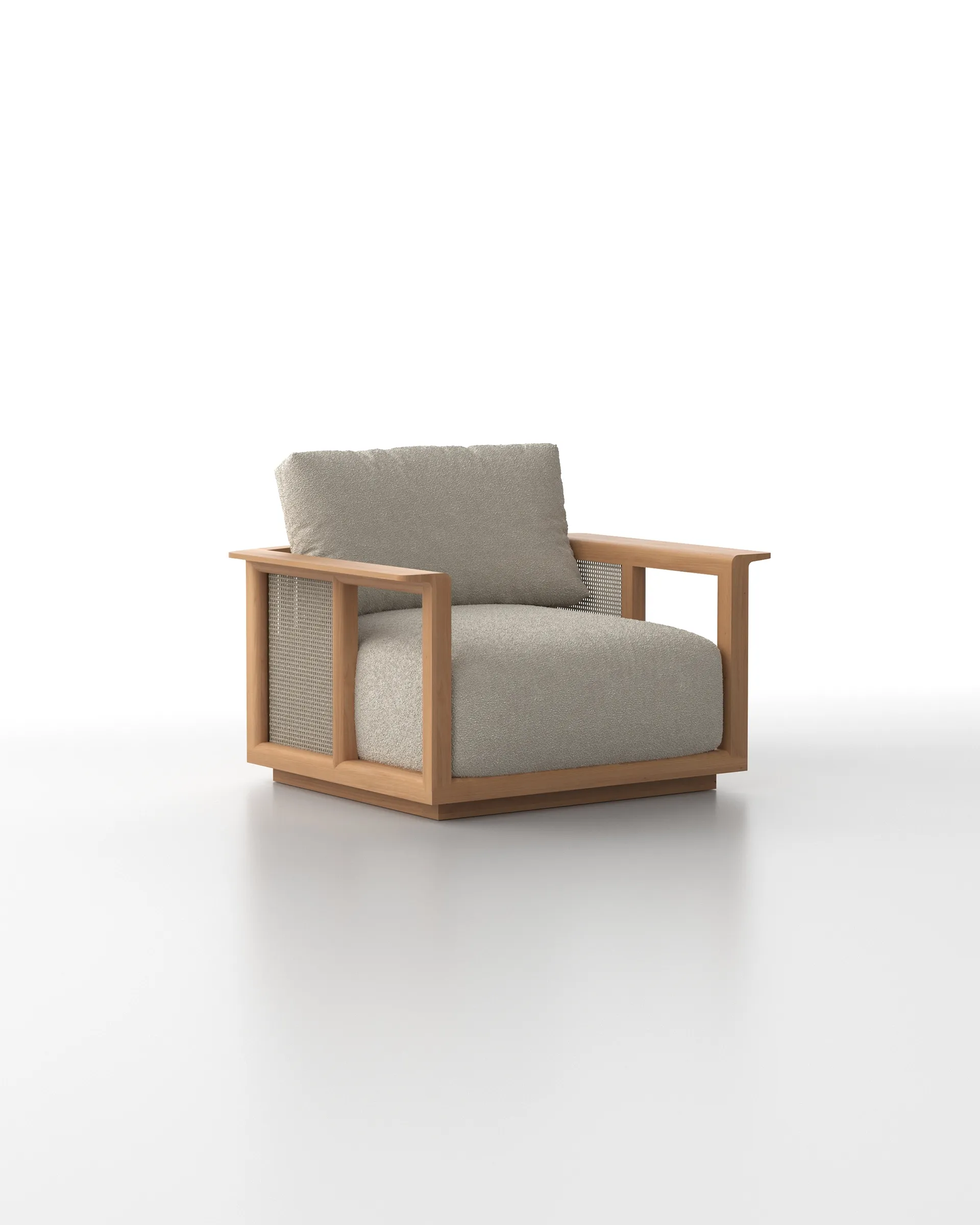
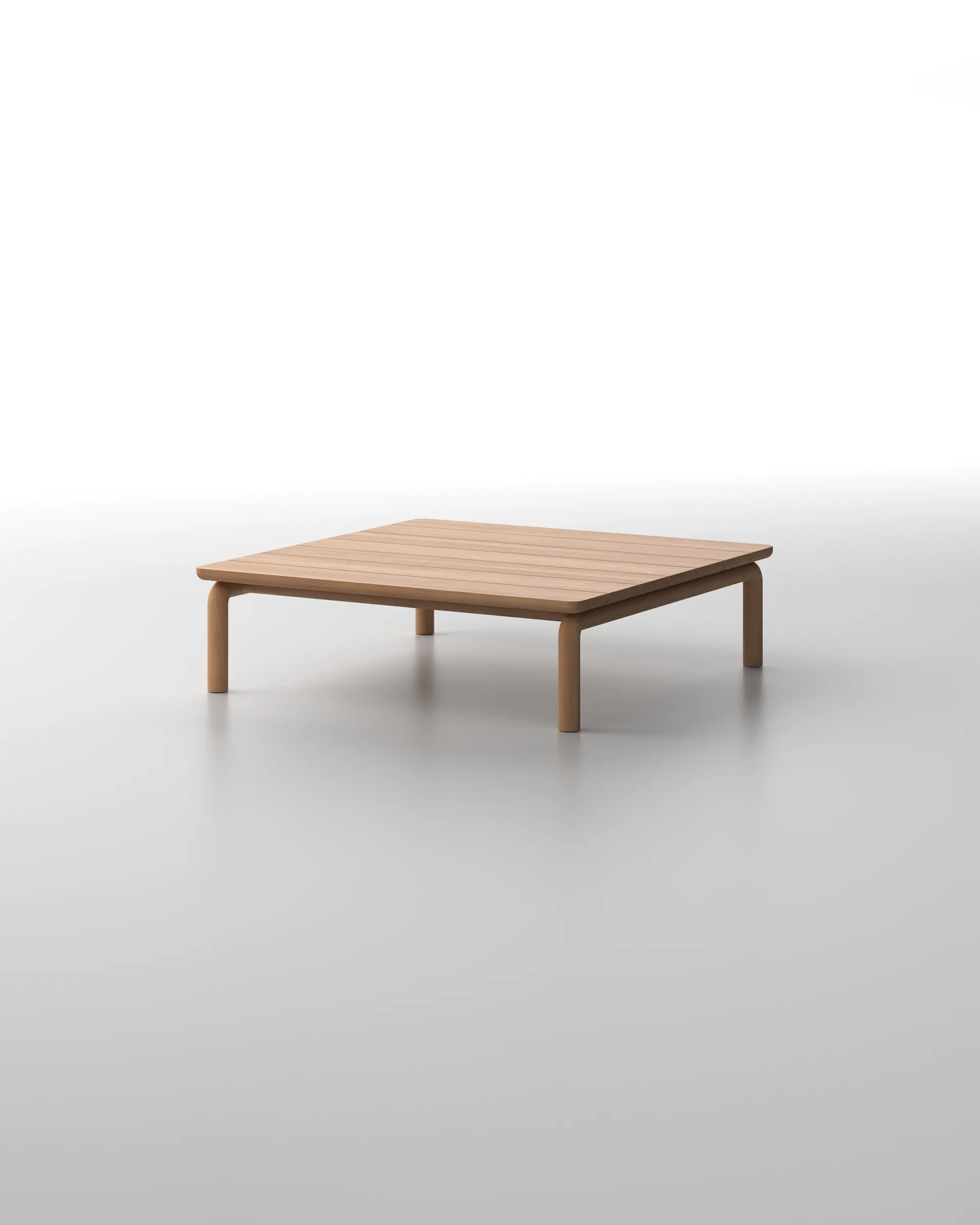
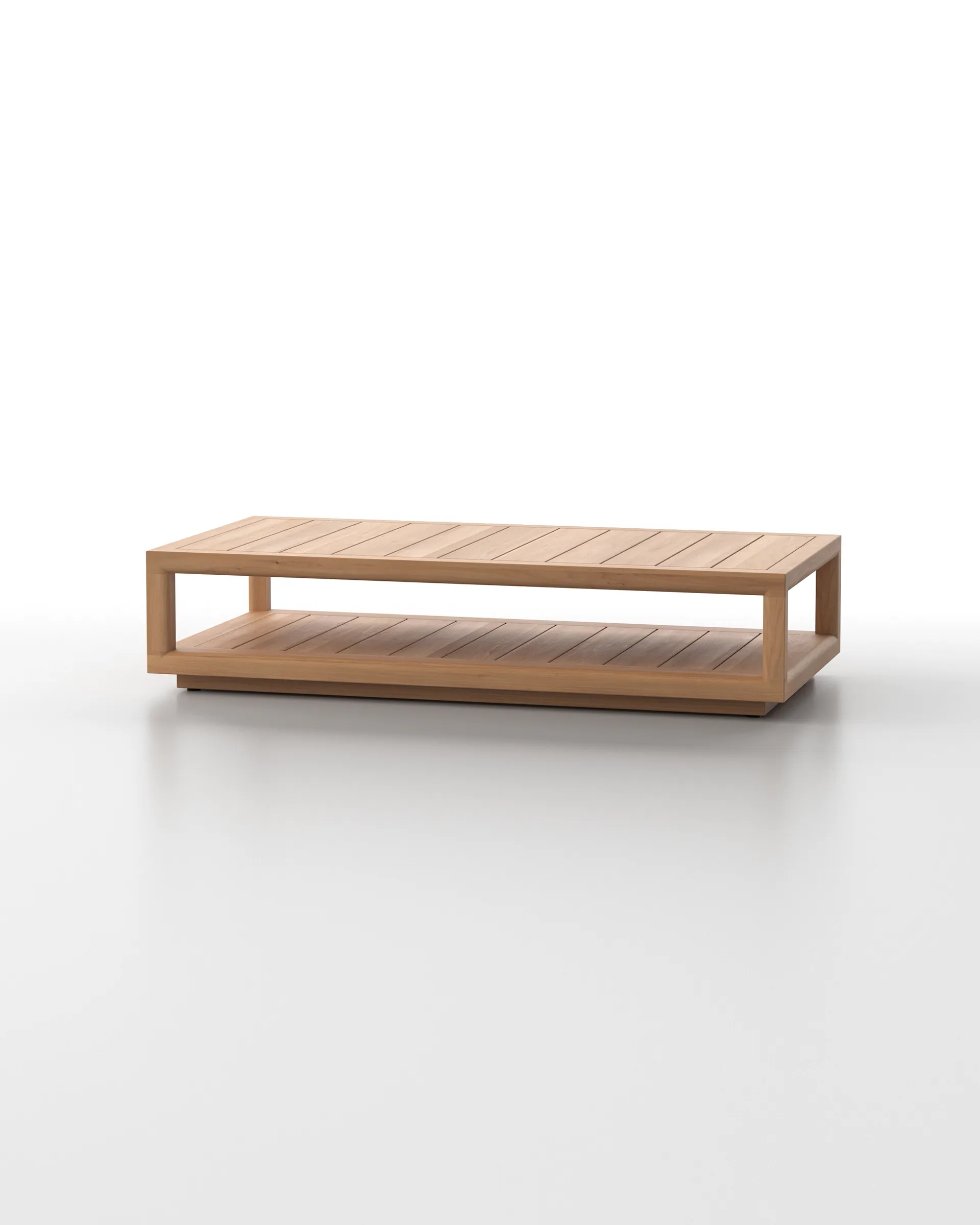
The case for solid teak wood furniture grows stronger as the demands rise. Where a piece lives is often what decides it: outdoors, under sun and rain, solid teak is one of the few materials that can be left uncovered year-round, shifting to a silver-grey patina rather than breaking down. It’s built for the anchor pieces doing real structural work — a dining table, a bench, a bed — and for heavy daily use, absorbing the wear and taking a refinish when it finally shows. In hospitality and commercial spaces, where furniture faces hundreds of guests and still has to look its best, teak wood furniture is the standard. And when you want a piece to last decades — something to keep, repair, and perhaps pass on — solid wood gives a weight and depth a bonded surface can’t imitate.
If your piece keeps landing on outdoors, heavy use, commercial, or long-term — the material has practically chosen itself.