In hospitality projects, furniture choices have long-term consequences. Once installed, they are rarely changed without cost or disruption. What looks suitable during specification can become a problem after daily use begins.
Issues such as early wear, difficult maintenance, or inconsistent replacements often appear months later. By then, operational impact is unavoidable. This is why furniture decisions in hospitality should be approached with care.
Choosing contract grade furniture is not only about design or comfort. It affects daily operations, long-term usability, and guest experience in hospitality spaces. Understanding what to evaluate before making this decision helps reduce risk and ensures better project outcomes.
Contract Grade Furniture Is Not Just a Label
The term contract grade furniture is widely used in hospitality projects. It appears in specifications, tender documents, and supplier presentations. In many cases, it is treated as a reassuring label rather than a clearly defined standard.
In reality, contract grade is not a marketing badge. It represents a set of performance expectations. These expectations relate to how furniture withstands frequent use, supports daily operations, and maintains its integrity over time in public hospitality environments.
The problem arises when the label is accepted without questioning how those expectations are met. Furniture may be described as contract grade, yet fall short once exposed to real-world conditions such as continuous guest turnover, staff handling, and long operating hours.
This gap between label and real-world application is where many hospitality projects encounter issues. Understanding this gap is essential. It is also the reason why clear evaluation criteria matter before any contract grade furniture is selected.
Hospitality furniture is used differently from residential furniture. It is exposed to constant public use, not occasional private use. This distinction is often underestimated during specification.
In hotels and resorts, furniture is used repeatedly throughout the day. Guest turnover is continuous. Seating, tables, and loungers are frequently moved, adjusted, and cleaned.
Operational routines increase the load further. Housekeeping teams handle furniture daily. Maintenance teams reposition, repair, and service pieces as part of normal operations. Over time, these actions place steady pressure on structure, joints, and finishes.
For this reason, contract grade furniture must be designed for long-term use. Performance over time matters more than first impressions. In hospitality projects, furniture should be built for day five hundred—not day one.
Consideration #2 — Material Selection Beyond Aesthetics
Outdoor and semi-outdoor environments add complexity. Humidity, sunlight, temperature changes, and moisture accelerate material fatigue. Finishes that look refined at first may age unevenly or require intensive upkeep.
Contract grade furniture relies on materials chosen for stability and long-term behavior. The goal is not to prevent ageing, but to ensure it happens gracefully. Predictable ageing reduces finish behavior over time, visual inconsistency, and operational disruption.
Consideration #3 — Construction, Structure, and Long-Term Performance
Construction quality determines how furniture performs long after installation. Structural integrity matters more than surface appearance. This is often overlooked during sourcing.
Details such as joinery, frame reinforcement, and load distribution affect durability. These elements are rarely visible in product images or catalogs. Yet they define how furniture withstands repeated use and movement.
In hospitality environments, furniture is pushed, stacked, repositioned, and cleaned daily. Weak construction shows quickly under these conditions. Contract grade furniture must be engineered to absorb this stress without compromising safety or comfort.
Consideration #4 — Maintenance, Repair, and Replacement Strategy
Maintenance is part of daily hospitality operations. Furniture should support this reality, not complicate it. Ease of cleaning, access to components, and repairability matter.
Over time, some level of replacement is inevitable. The key question is how easily individual pieces can be repaired or replaced without disrupting visual consistency. Inconsistent replacements can dilute the original design intent.
Contract grade furniture should support long-term operational efficiency. A clear maintenance and replacement strategy helps control downtime and total cost of ownership. This perspective is essential before any project commitment is made.
Why Validation Matters Before Committing
Specifications and product descriptions provide useful direction. However, they rarely tell the full story. Performance on paper does not always translate into performance in real hospitality environments.
Validation allows project teams to move beyond assumptions. Materials can be assessed directly. Construction quality becomes visible. Comfort, stability, and finish behavior are easier to judge when experienced in person.
This step is especially important before final commitment. Once a project moves into procurement and installation, changes become costly and disruptive. Early validation helps reduce risk and aligns expectations across design, operations, and procurement teams.
In hospitality projects, confidence comes from verification. Validating contract grade furniture before committing ensures that design intent and operational reality remain aligned over the long term.
Industry Exhibitions as a Platform for Validation and Application
At IFEX 2026, Otazen will present its latest hospitality collections
Choosing contract grade furniture is a long-term decision in hospitality projects. Once specifications are approved and procurement begins, changes become costly and disruptive. For this reason, validation becomes a critical step before any final commitment is made.
Specifications and product descriptions provide useful direction. However, they rarely capture how furniture performs in real hospitality environments. By evaluating products in person, buyers, architects, and project managers can assess material quality, construction details, and overall build integrity. In addition, comfort, stability, and finish behavior are easier to judge through direct experience.
This is where industry exhibitions play a practical role. Beyond trend exploration, they offer a setting to examine how contract grade principles are applied in real products, not just defined on paper. As a result, exhibitions help bridge the gap between specification and real-world performance.
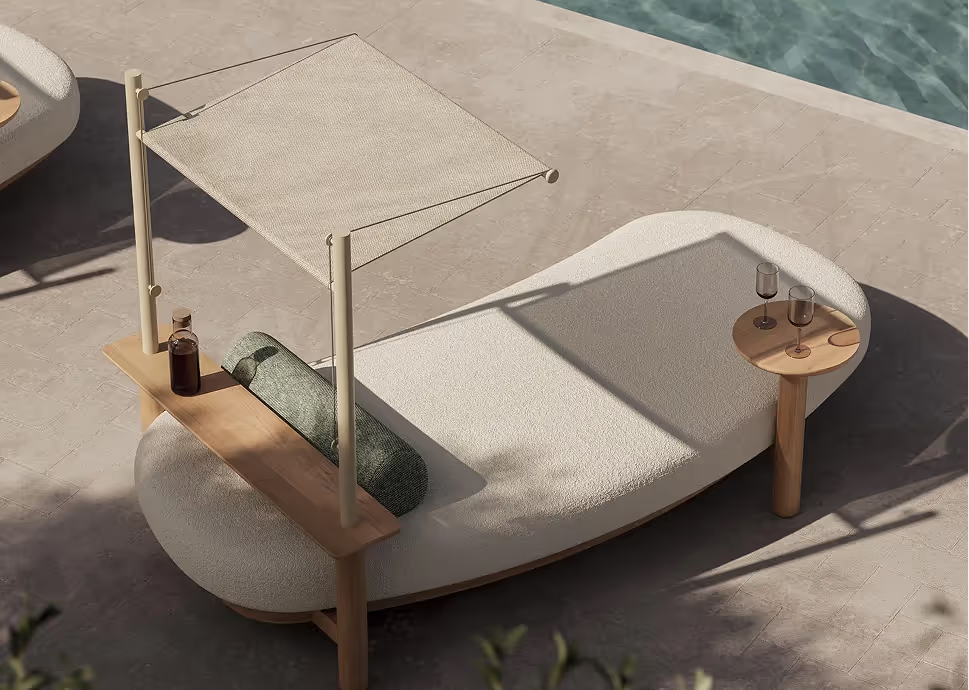
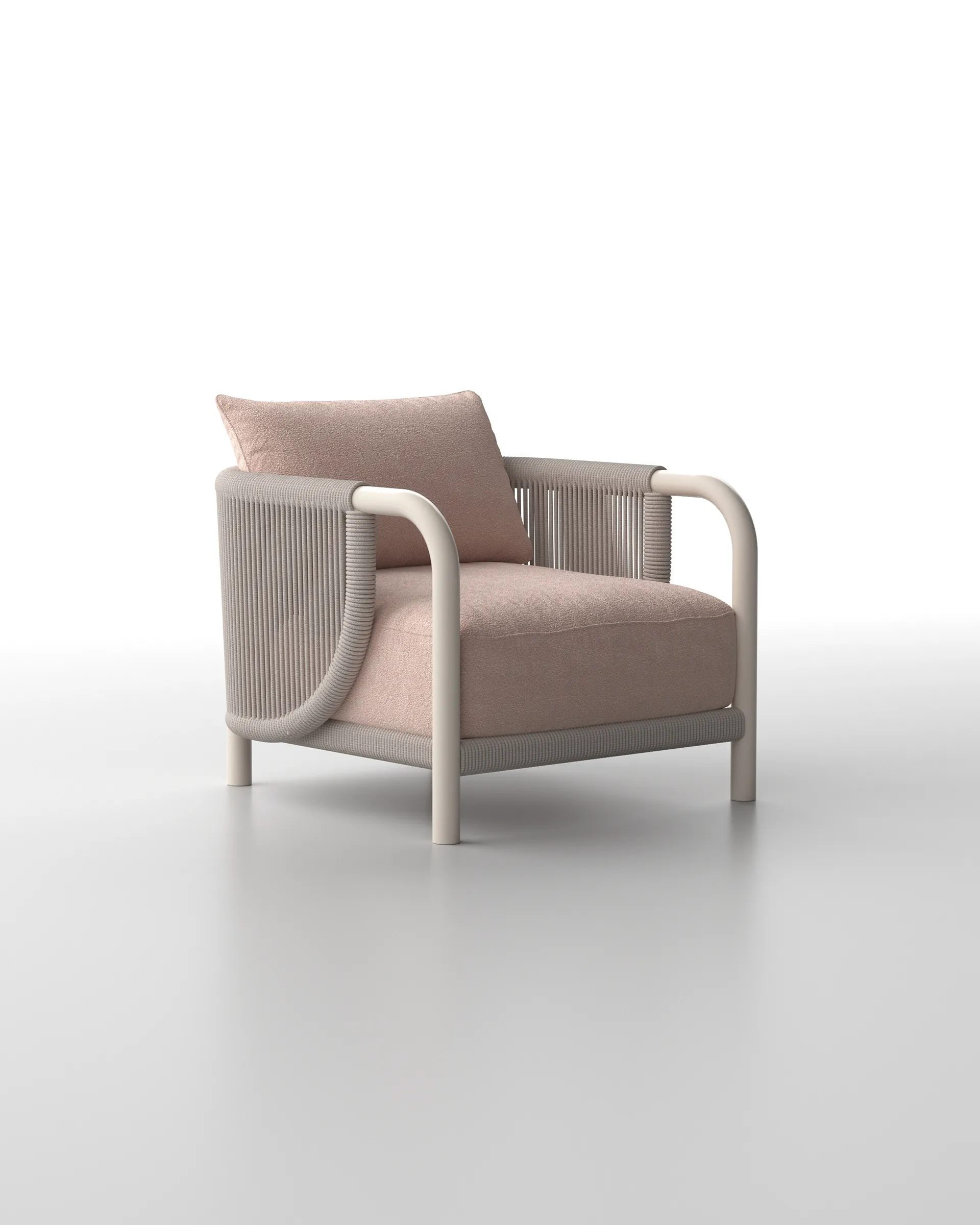
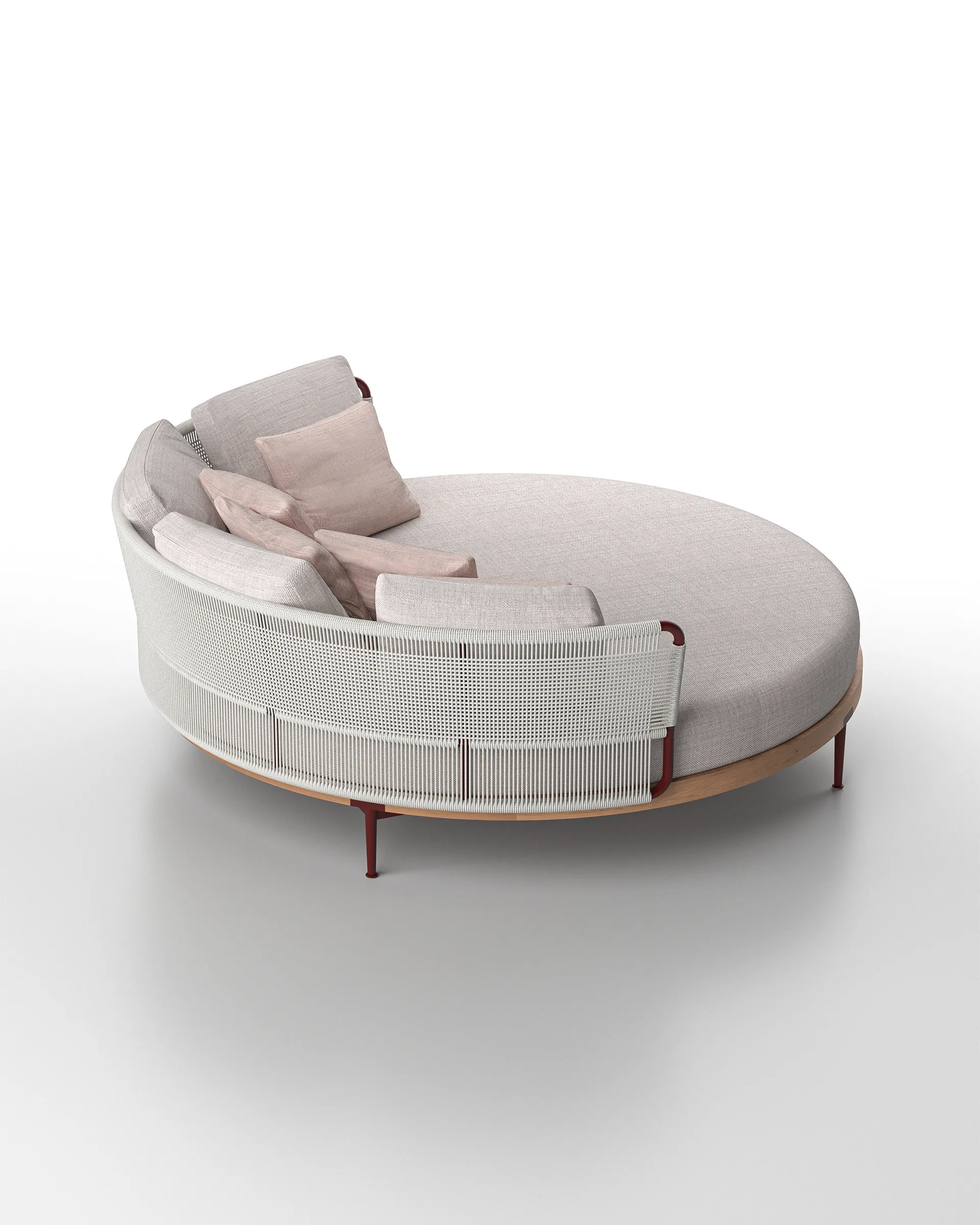
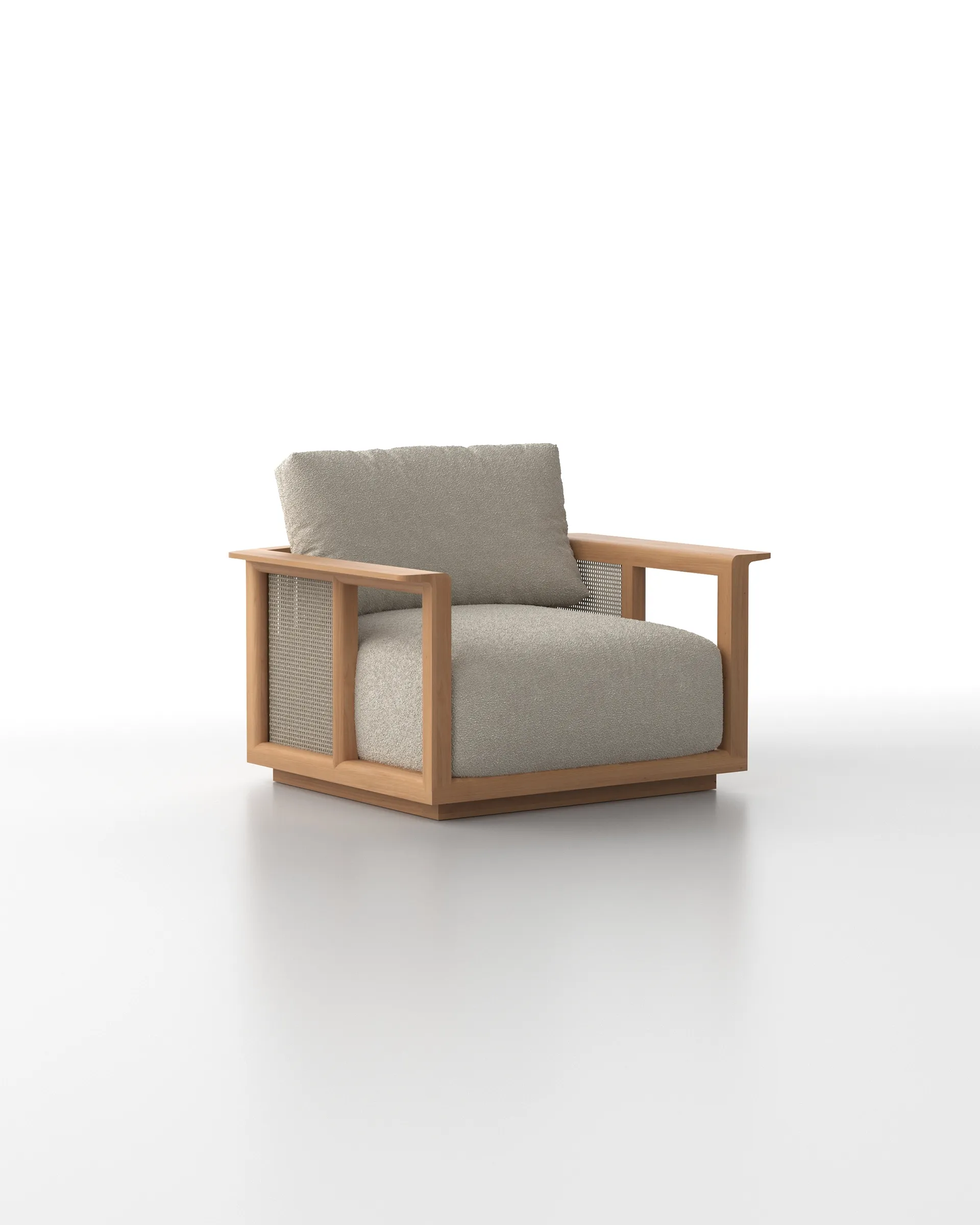
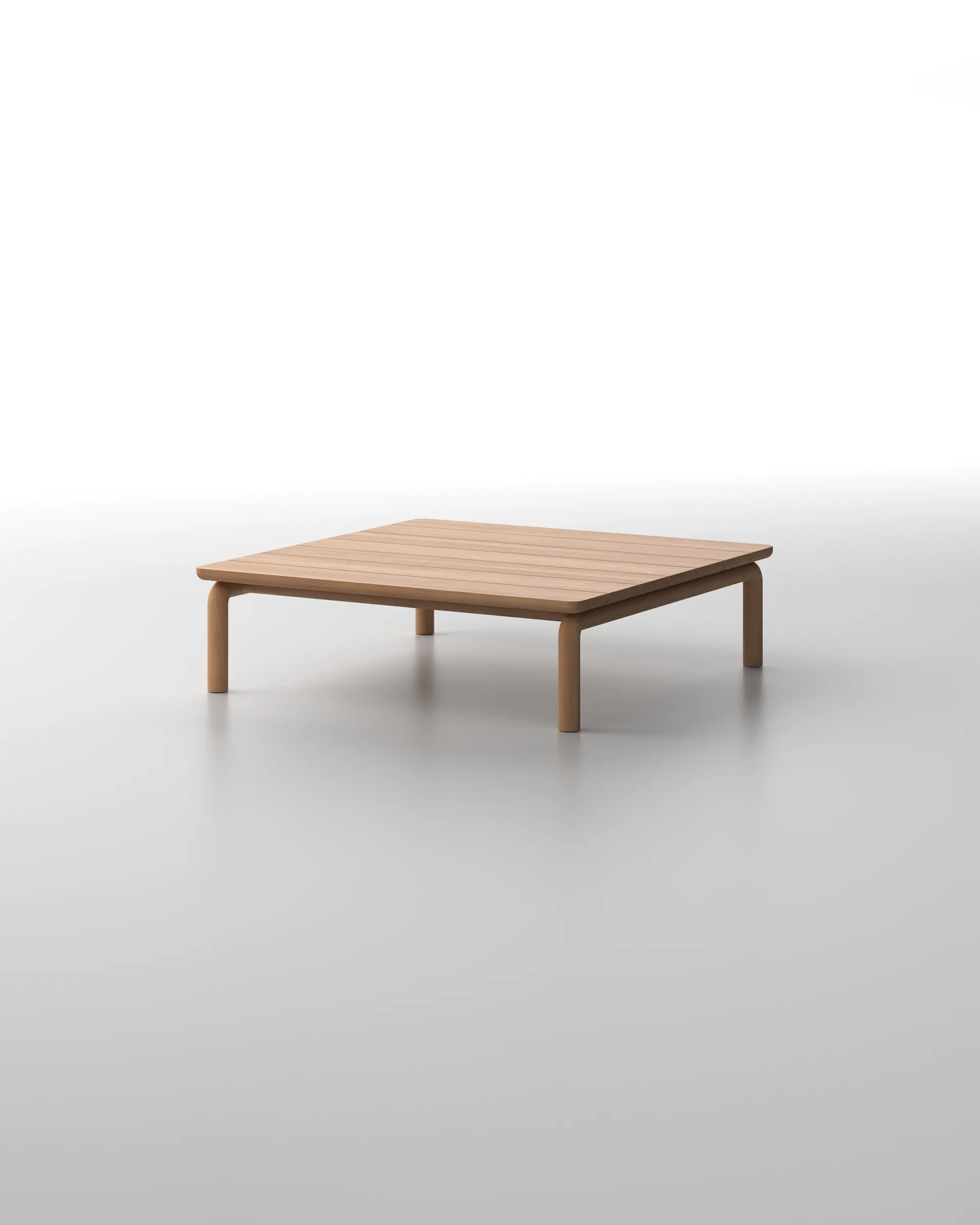
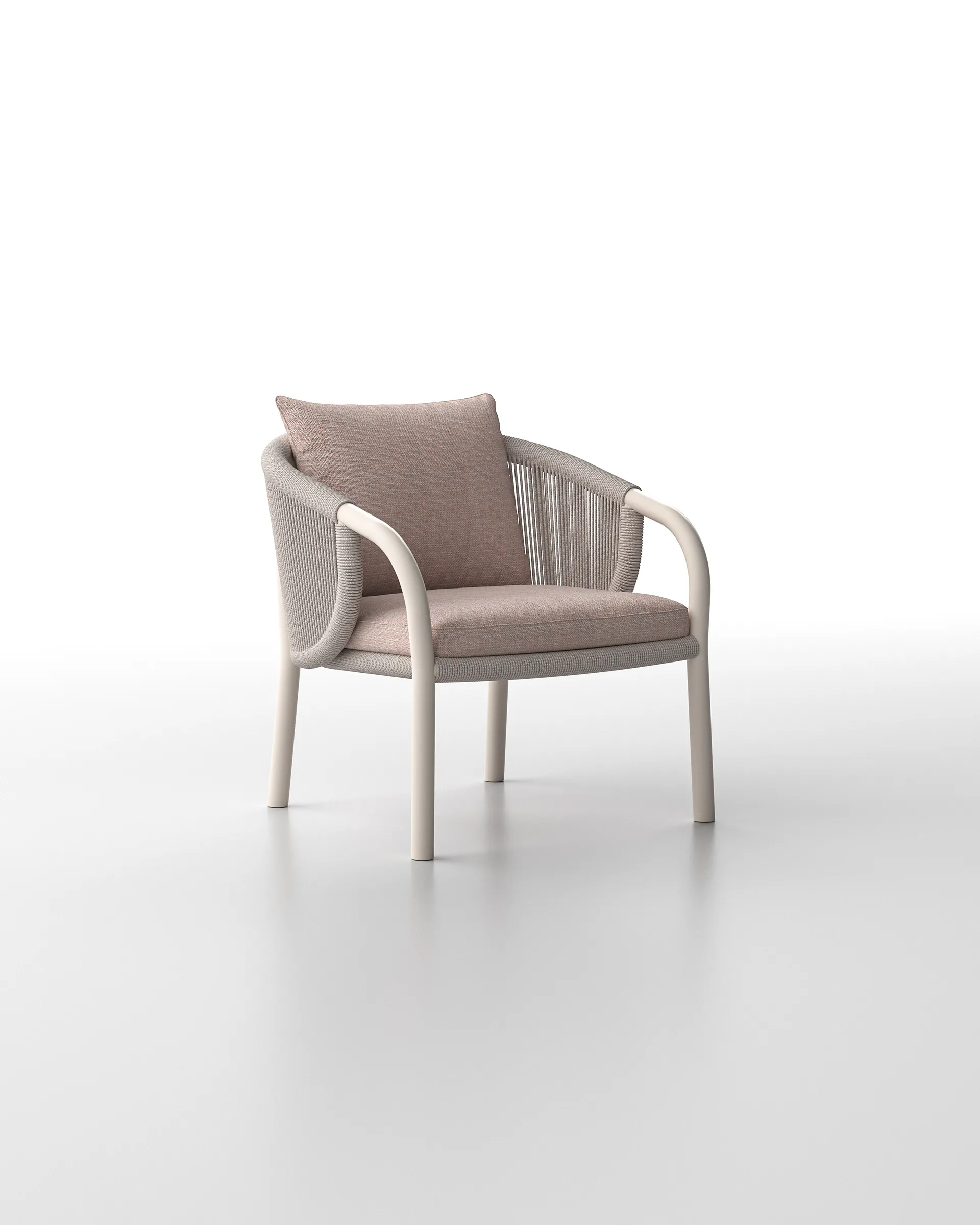
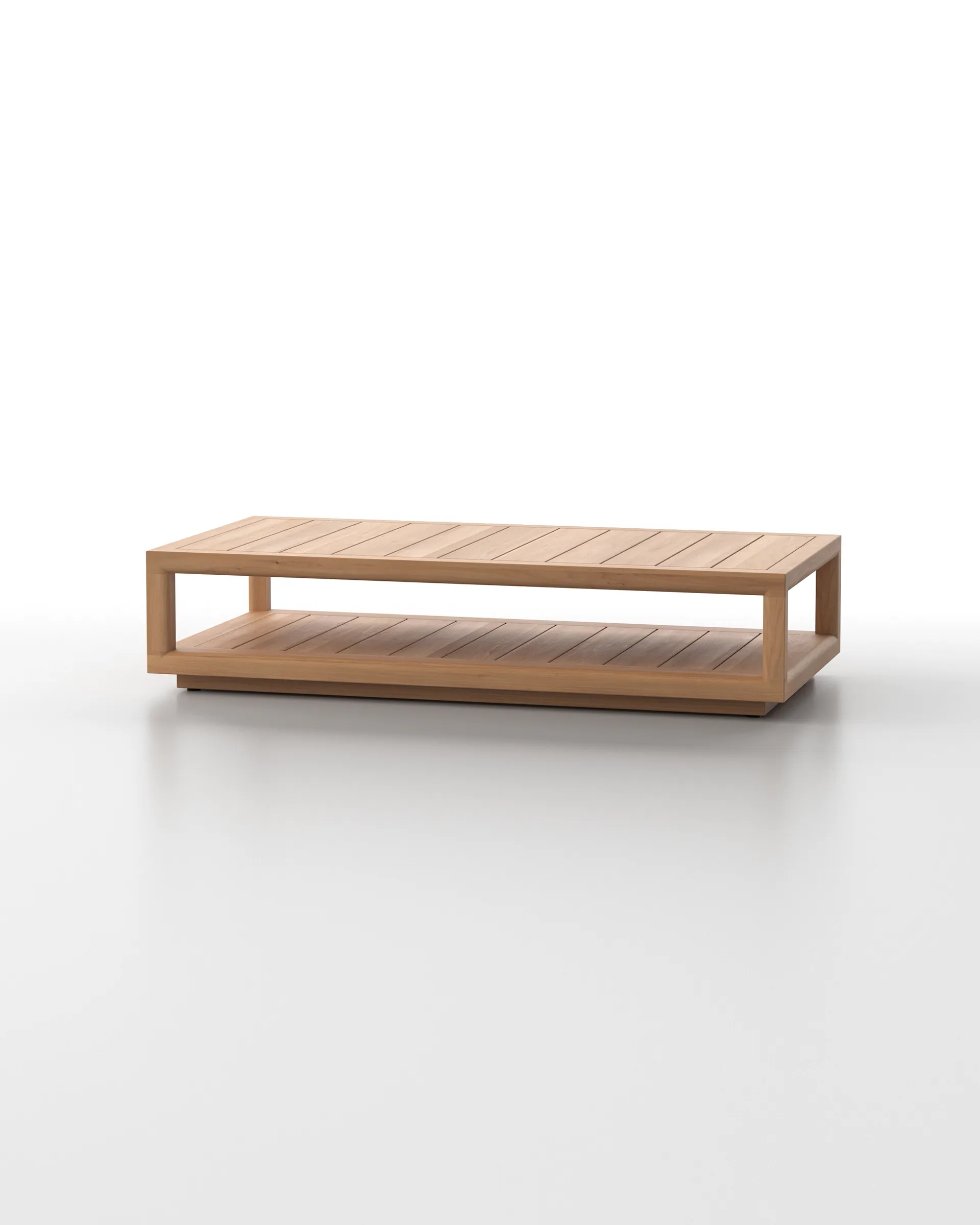
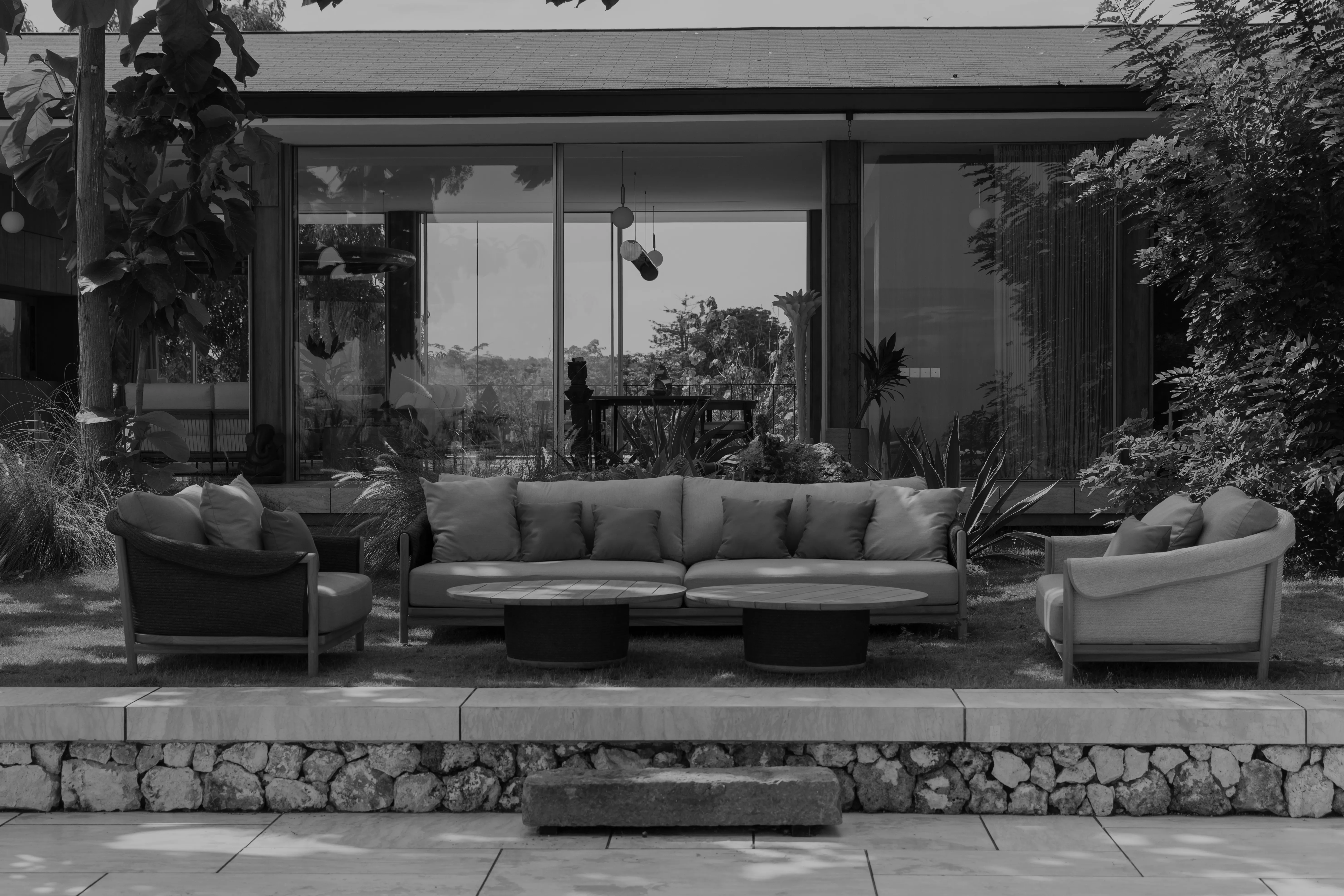
For hospitality buyers currently sourcing contract grade furniture, platforms such as the Indonesia International Furniture Expo (IFEX) provide a focused environment for this type of validation. At IFEX 2026, Otazen will present its latest hospitality collections developed with contract grade principles in mind. Shaped by material selection, construction quality, and long-term operational use, these collections reflect the considerations discussed throughout this article. For those who wish to see how contract grade principles are applied in Otazen’s latest collections, visiting IFEX 2026 at ICE BSD City, Tangerang, Indonesia, from March 5–8, 2026 offers an opportunity to experience them firsthand.