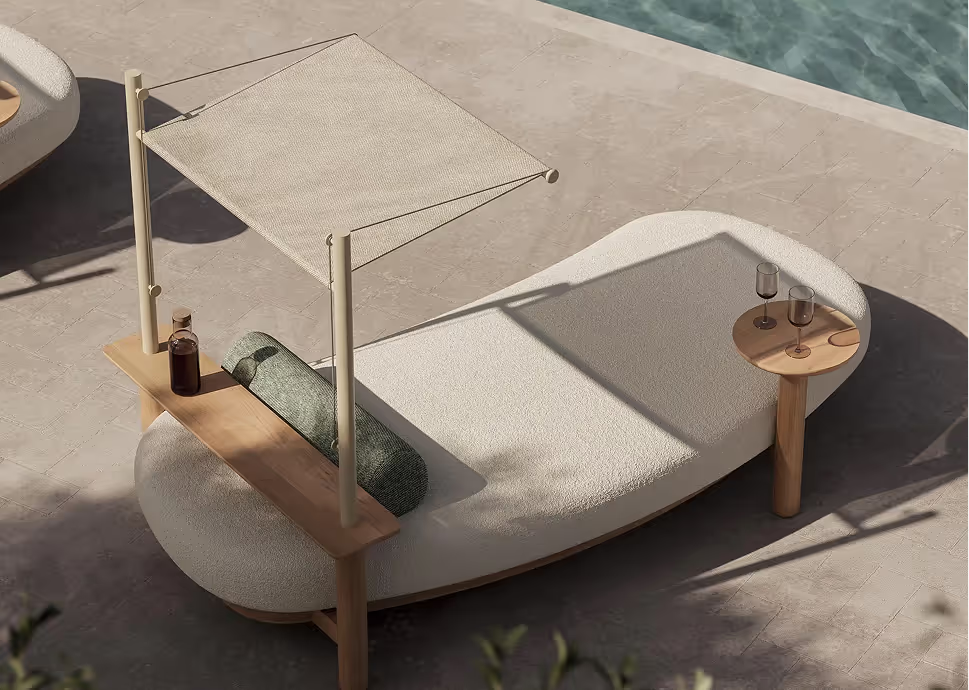
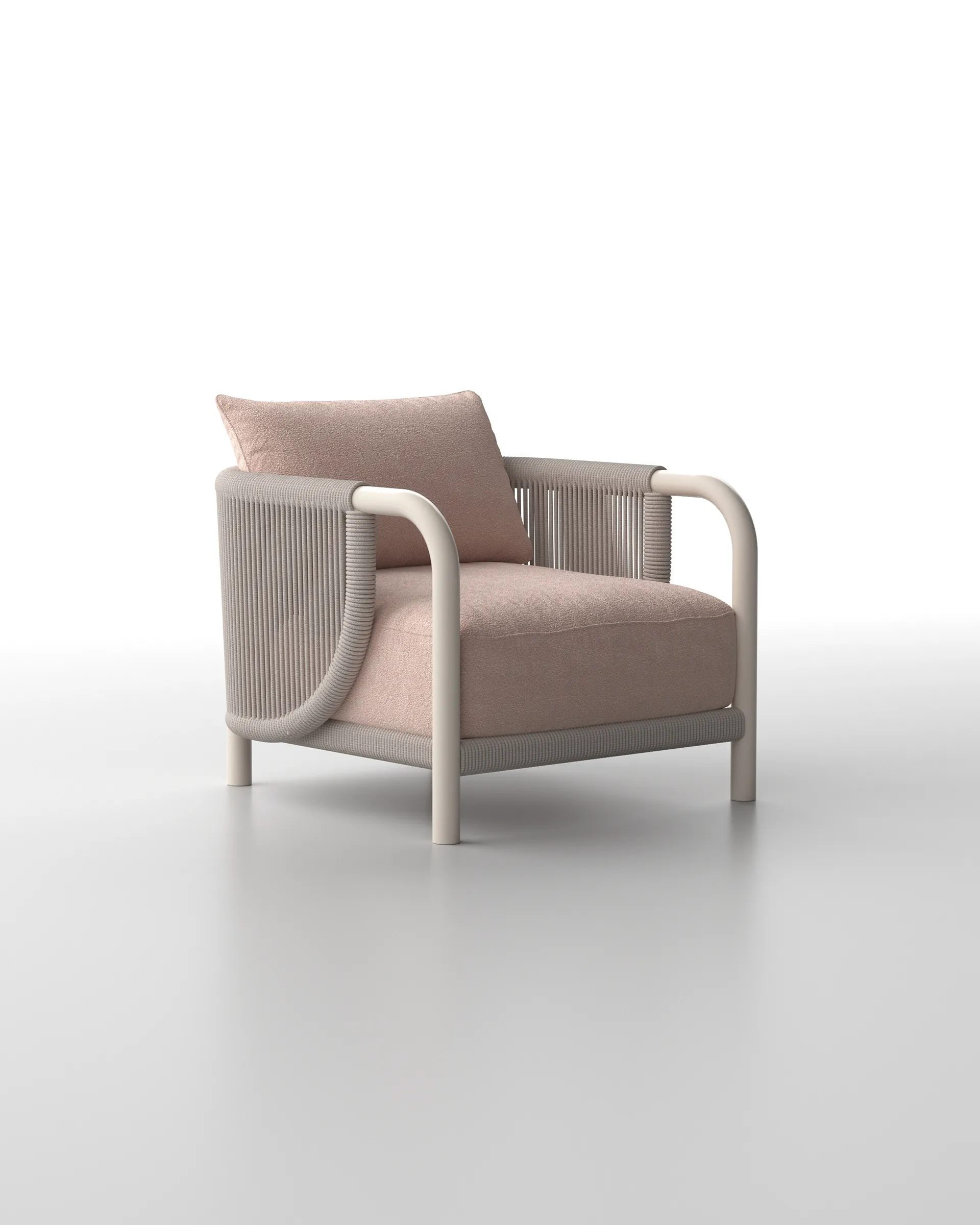
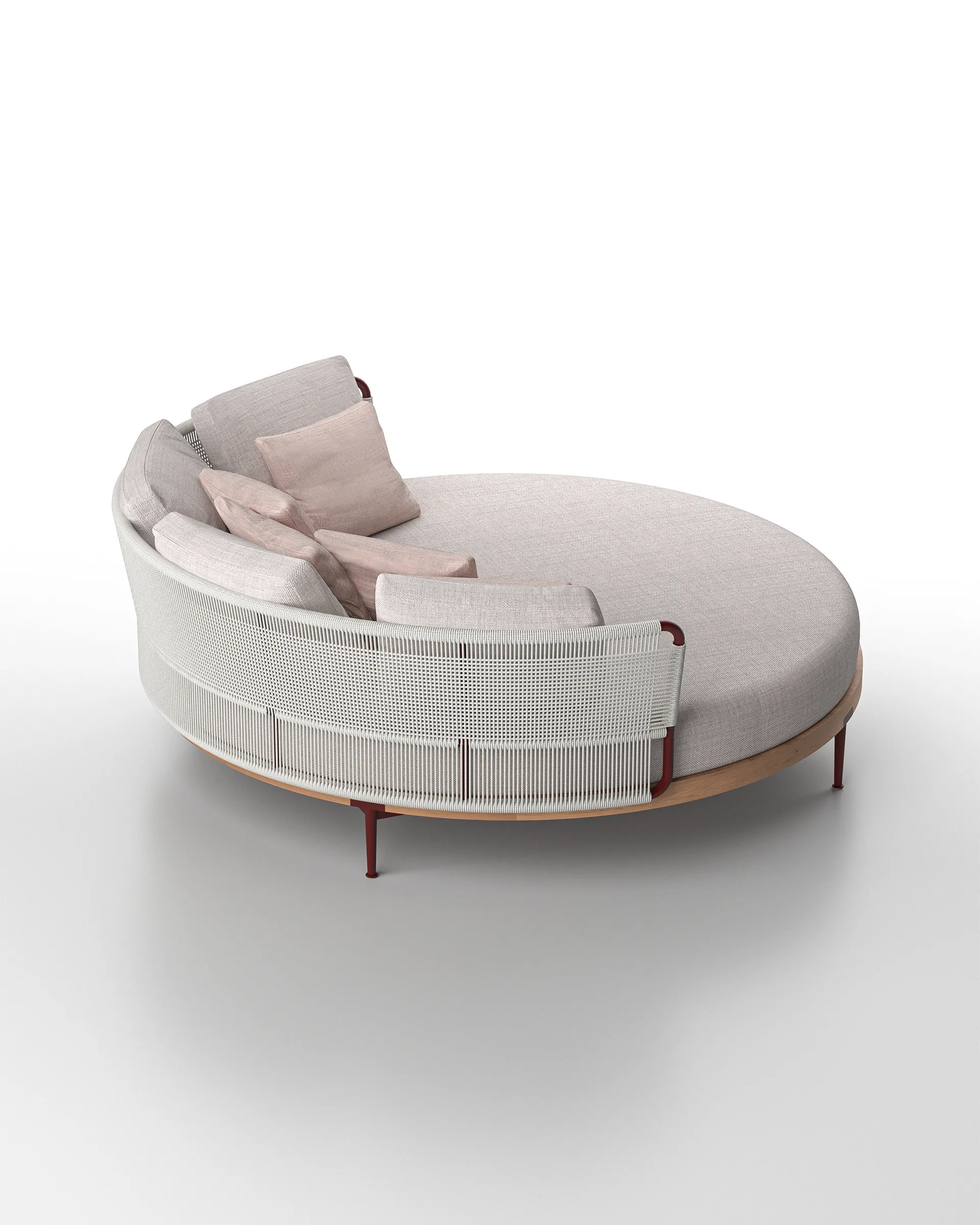
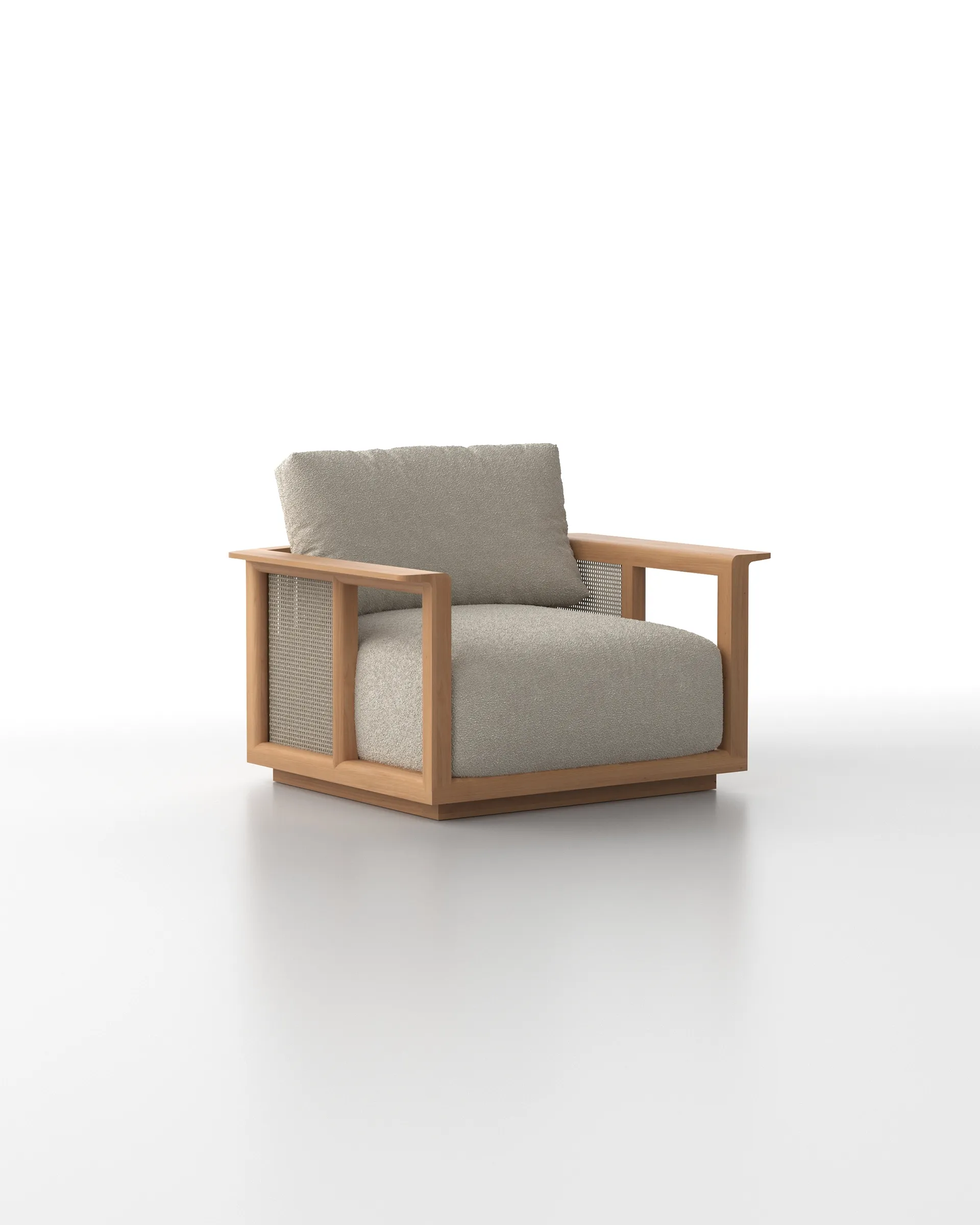
The Indonesia International Furniture Expo (IFEX) stands as an important marker for the global furniture and design industry. It is a place where ideas converge and where brands articulate their role in shaping the environments in which people live, gather, and move.
At IFEX 2026, Otazen focus goes beyond what is being presented, toward how space itself is formed. Rather than positioning objects as the center of the narrative, Otazen chooses to look further—at how furniture exists as part of a cohesive whole, interacting with architecture, light, proportion, and the surrounding context.
From this perspective, Space Taking Shape emerges as an approach that places space at the core of the idea.We do not see space as something to fill. We see it as something that takes form through deliberate design decisions. This narrative explains how Otazen designs its collections to belong within a larger composition, and how each element finds its place within a considered whole.
Beyond Objects: Furniture as Part of a Spatial System
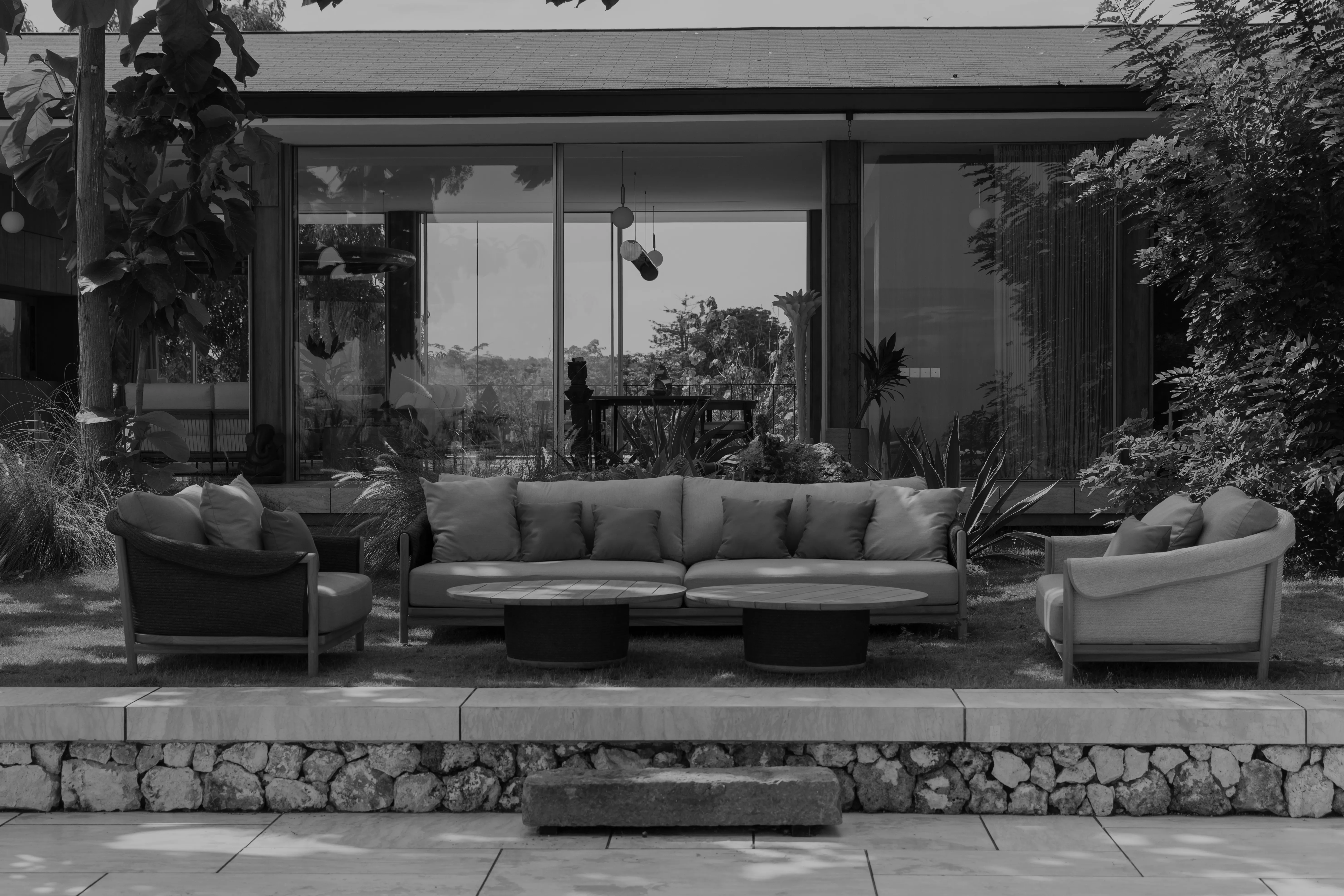
As contemporary design evolves, furniture has shifted in role. It is no longer seen only as an object placed inside a finished space. Instead, it acts as an architectural element that helps define the space itself. This is how Otazen understands furniture: as part of a spatial system.
When furniture is viewed this way, the starting point changes. The question is not, “Which product should be placed here?” It becomes, “What should this space allow to happen?” From there, furniture, proportion, context, and user experience are considered together.
Furniture is not a background layer. It is not merely decorative. It contributes directly to the structure and clarity of a space. Placement, scale, and orientation shape how people move, gather, and pause.
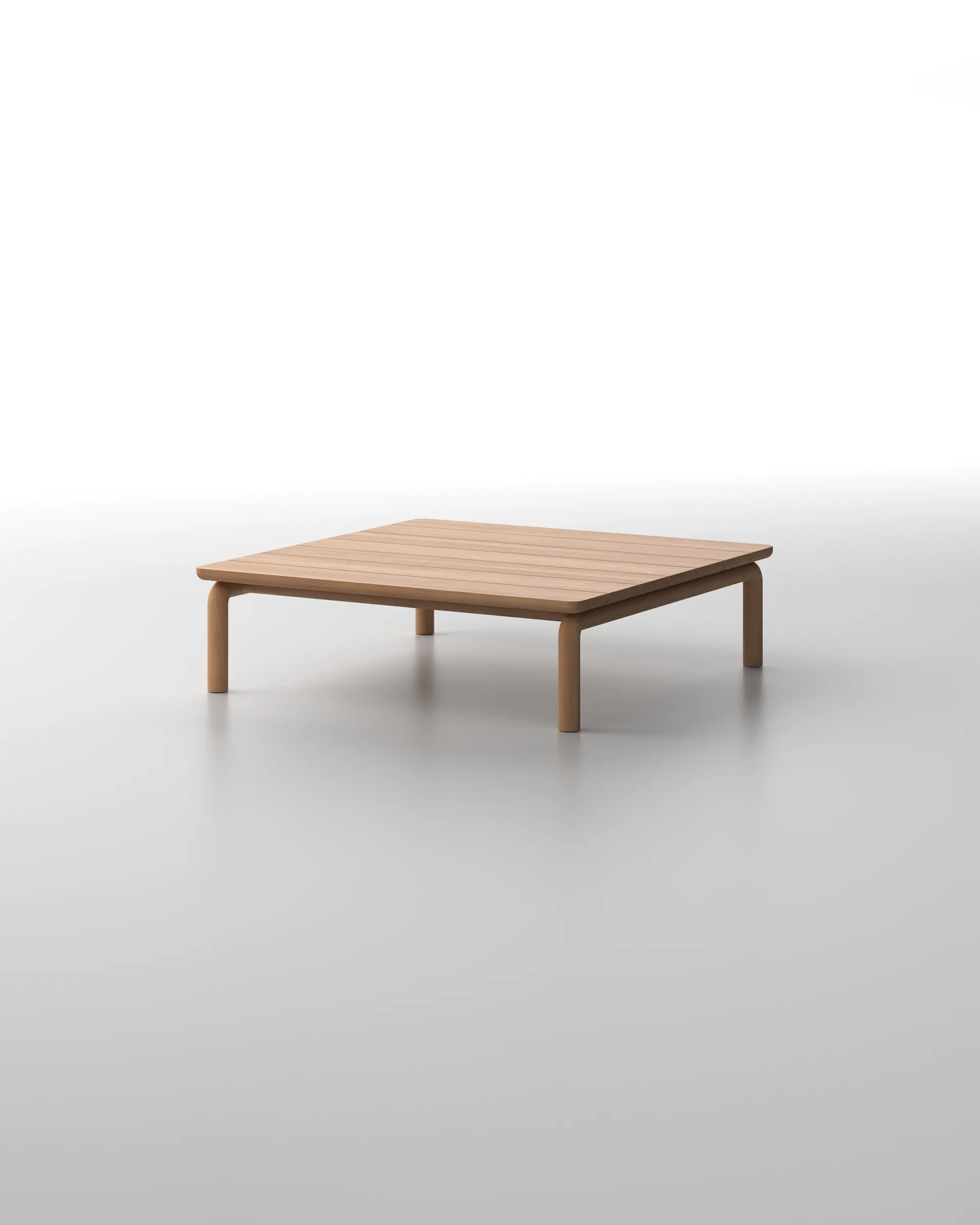
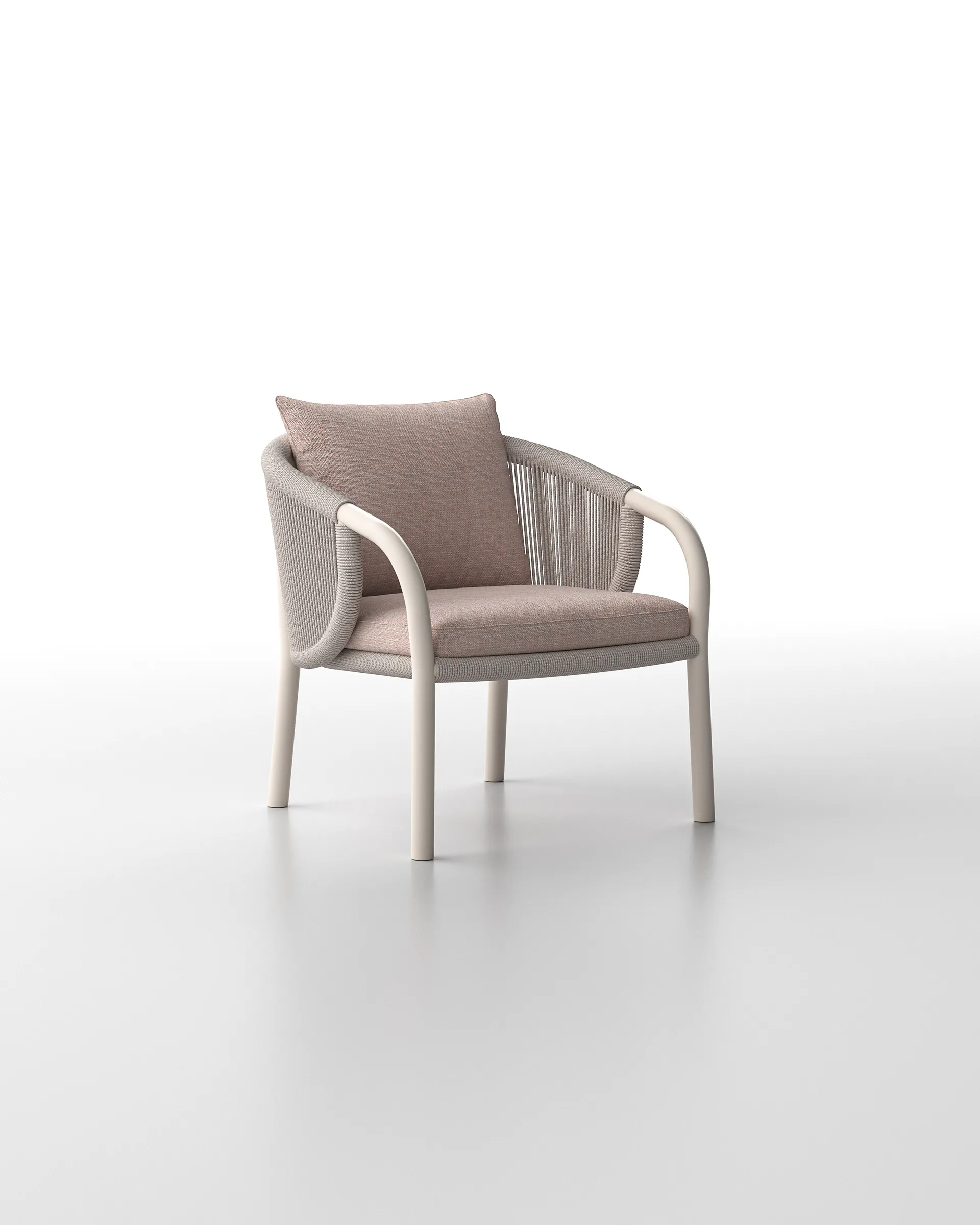
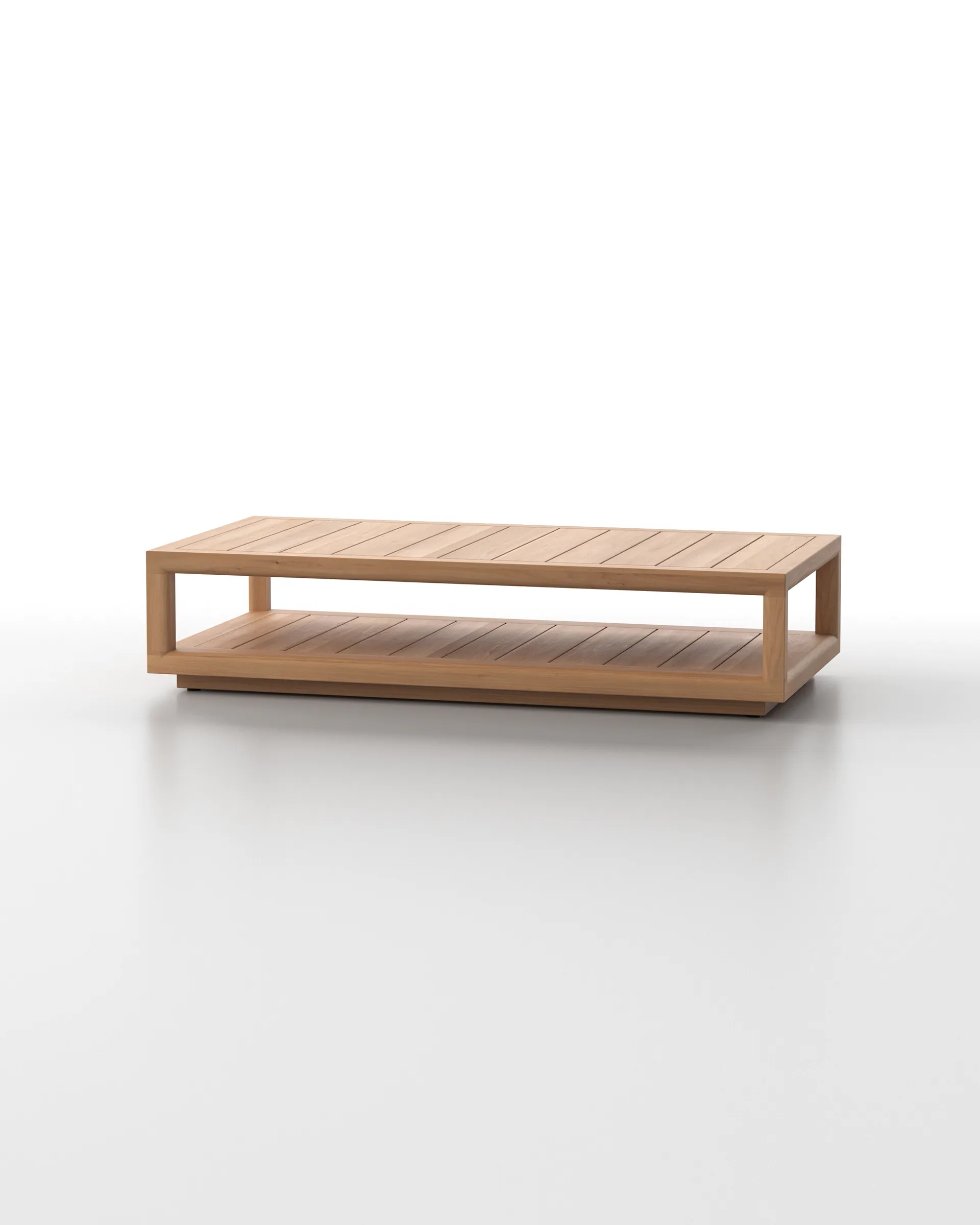
Proportion plays a key role. Seat depth, backrest height, module spacing, and table footprint influence both comfort and spatial balance. These decisions affect how open, intimate, calm, or dynamic a space feels.
By connecting furniture to proportion, context, and user experience, we move beyond isolated pieces. We begin to see relationships.
Space Taking Shape at IFEX 2026
IFEX 2026 becomes more than an exhibition platform for Otazen. It serves as a medium that translates ideas into tangible experience. In this context, we do not treat space as a backdrop for products. It becomes an environment that reflects how we think, design, and build.
We conceive the booth as an interpretation of spatial thinking. Instead of presenting furniture as individual highlights, we compose the layout as a unified system. Each element relates to the whole and creates clarity instead of fragmentation.
Layout defines the experience. Circulation paths guide movement naturally. Seating clusters establish zones of interaction. Open areas preserve visual continuity. Every placement supports movement, pause, and conversation.
Presence is not about visual dominance, but about balance. Proportion, spacing, and material contrast work together to create spatial clarity. Furniture becomes part of the architectural composition, defining boundaries without enclosing them.
Through IFEX 2026, Space Taking Shape moves from concept to built reality. We translate spatial thinking into a physical environment that visitors can experience directly. The booth demonstrates that we shape space with intention and purpose, rather than simply filling it.
Why This Approach Matters for Hospitality and Public Spaces
IFEX brings together architects, designers, operators, and procurement teams from across the hospitality sector. In this setting, decisions are rarely about individual products alone. They are about how those products will perform within larger spatial environments.
For procurement professionals, clarity is essential. A single chair or table is not evaluated in isolation. It must align with circulation, zoning, maintenance needs, and brand identity across multiple areas. Consistency matters just as much as aesthetics.
By presenting furniture within a spatial framework, the experience becomes easier to read. Visitors can see how proportion, layout, and material language work together. They can imagine how collections translate into lobbies, terraces, dining areas, or public lounges.
In hospitality, experience always outweighs objects. Guests remember how a space feels, not just what it contains. A coherent spatial strategy helps maintain that feeling across different zones and over time.
Spatial thinking therefore offers long-term relevance. It supports operational flow, reinforces identity, and creates environments that remain adaptable. For hospitality and public spaces, this approach provides a clearer picture of how design performs beyond the showroom floor.
An Invitation to Experience Space Taking Shape
Space Taking Shape reflects a belief that space is formed through intention, proportion, and relationship.
At IFEX 2026, this belief is translated into a built environment. Visitors are invited not simply to observe products, but to experience how layout, flow, and presence come together as one system.
Rather than presenting furniture as individual highlights, we present a spatial narrative. An invitation to step into a space that is not merely arranged, but deliberately shaped.
We look forward to welcoming you at IFEX 2026, taking place on March 5–8, 2026, at ICE BSD City, Tangerang, Indonesia.